Why Teens Stay Up Late: Healthy Sleep, Screens and School Schedules
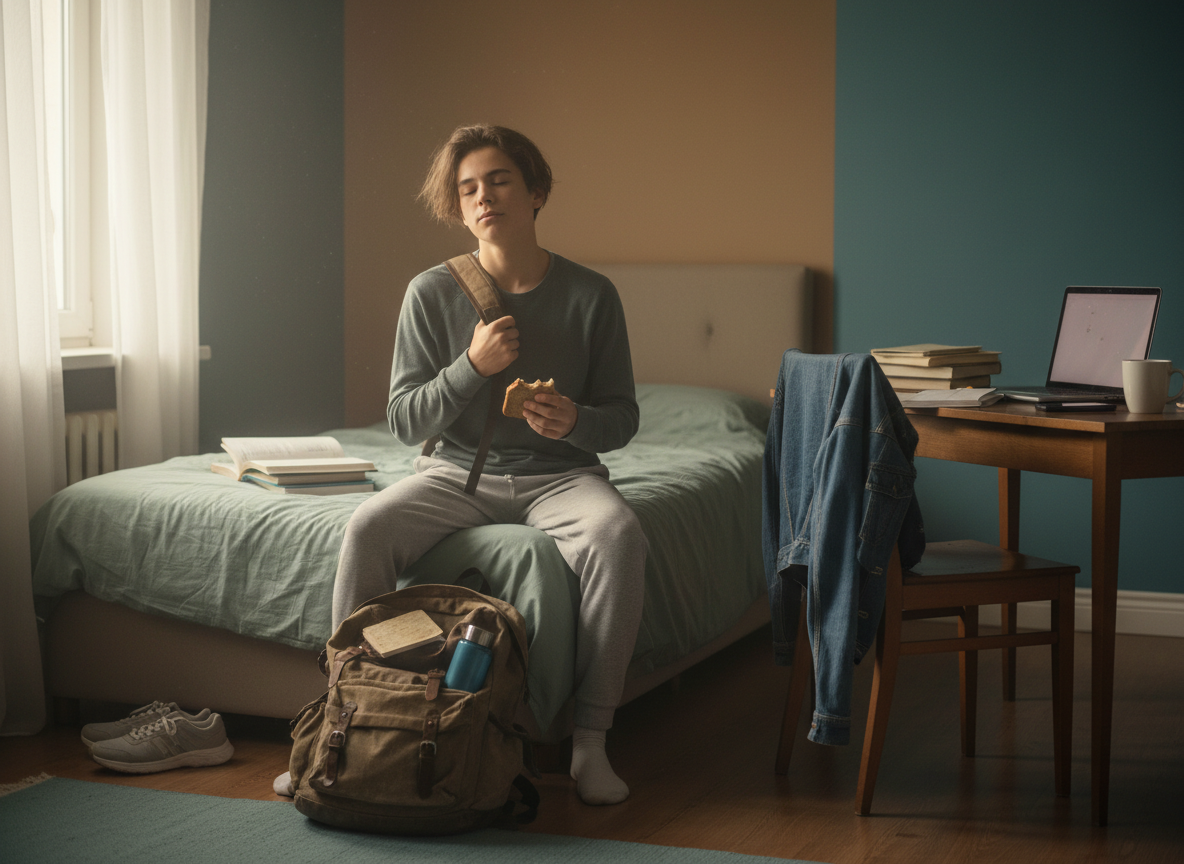
If your teenager struggles to wake for school and feels alert late at night, do not assume it is simply a lack of effort. During adolescence, the body’s sleep-wake timing can shift later. Early school start times, homework, social life and evening screen use may add to the mismatch.
How does sleep timing change in adolescence?
The American Academy of Pediatrics and CDC cite 8–10 hours of regular sleep for ages 13–18. This is a recommended range, not a guarantee that every teen has identical needs. Too little sleep can affect alertness, attention, learning and emotional wellbeing. A constructive family conversation about a realistic sleep opportunity is more useful than blame.
Practical habits for school nights
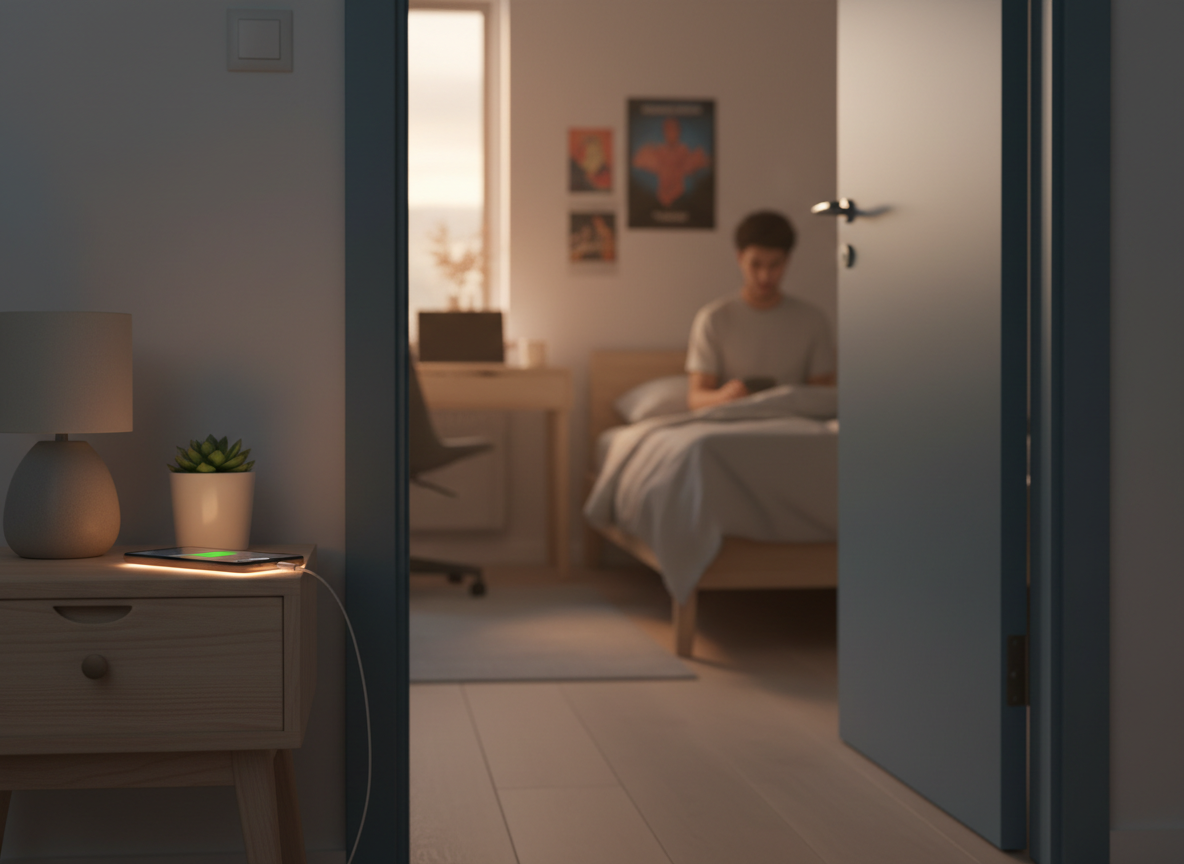
Try to keep weekday and weekend sleep schedules reasonably close. A screen-free wind-down period about an hour before bed, charging the phone outside the bedroom and limiting late caffeine may help. Morning daylight and daytime activity support a stable rhythm. If sleepiness continues, discuss snoring, breathing pauses, restless legs, anxiety, medicines or late homework with a pediatrician. Do not start sleep medication or melatonin without professional advice.
Did you know?
CDC’s 2015 US survey data found about 6 in 10 middle-school students and 7 in 10 high-school students did not meet the recommended sleep duration on school nights. These are historical US survey findings, not an estimate for Türkiye.
Frequently asked questions
How much sleep do teens need?
AAP/CDC guidance recommends 8–10 hours regularly for teenagers aged 13–18.
Why do teens get sleepy later?
Adolescent body-clock timing can shift later, which may conflict with early school schedules.
Can sleeping late on weekends make up for short nights?
It may offer some rest, but a large schedule shift can make weekday timing harder.
When should a teen put away a phone?
Try a calm screen-free period around an hour before bed and silence overnight notifications.
Does caffeine affect teen sleep?
Caffeine later in the day can make falling asleep harder; review timing and amount.
Do school start times matter?
A later adolescent sleep rhythm can conflict with early starts, so family and school schedules both matter.
Can my teen take melatonin?
Discuss it with a pediatric professional first; do not self-prescribe supplements.
When should we seek medical advice?
Ask for an assessment for persistent daytime sleepiness, regular loud snoring or breathing pauses.
Sources
- AAP / HealthyChildren: teen sleep and school
- CDC: sleep duration by age
- CDC: sleep in middle and high school students
- American Academy of Sleep Medicine: teen sleep advisory
Educational information, not a substitute for individual medical advice.
Related reading
- Explore more articles in the child health and development library
- Read more parenting articles in the Filifu blog archive
Make the advice work for your family
Start with one small step
Review what works after a week
A brief note of bedtime, wake time and evening routine can reveal patterns. Ask a pediatric professional if difficulties persist.