How to Create a Restful Sleep Environment for Children
A calm environment can make bedtime more predictable, but no single room feature solves every sleep difficulty. Reduce intense stimulation, keep the room comfortable and adjust darkness to the child’s needs. For infants, follow safe-sleep guidance: place babies on their backs on a firm, flat, separate sleep surface without soft objects. Needs change with age and health.
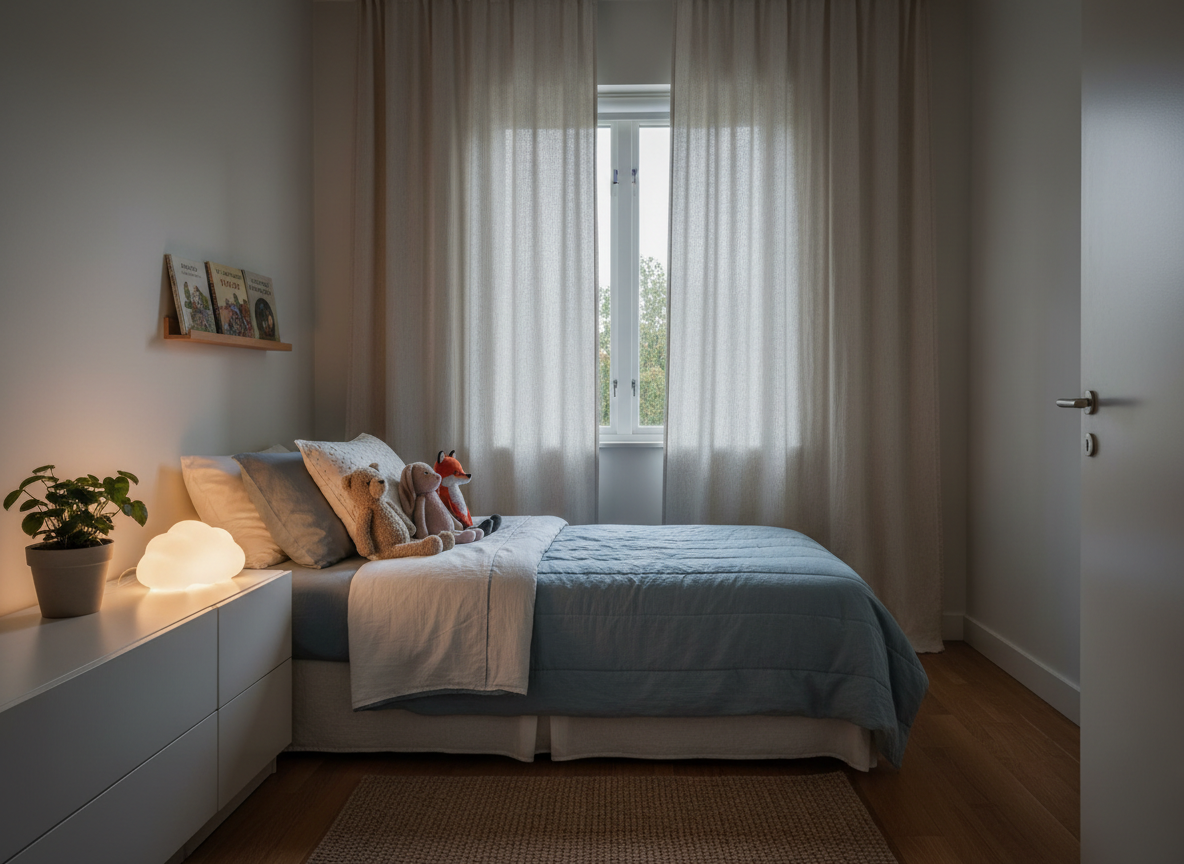
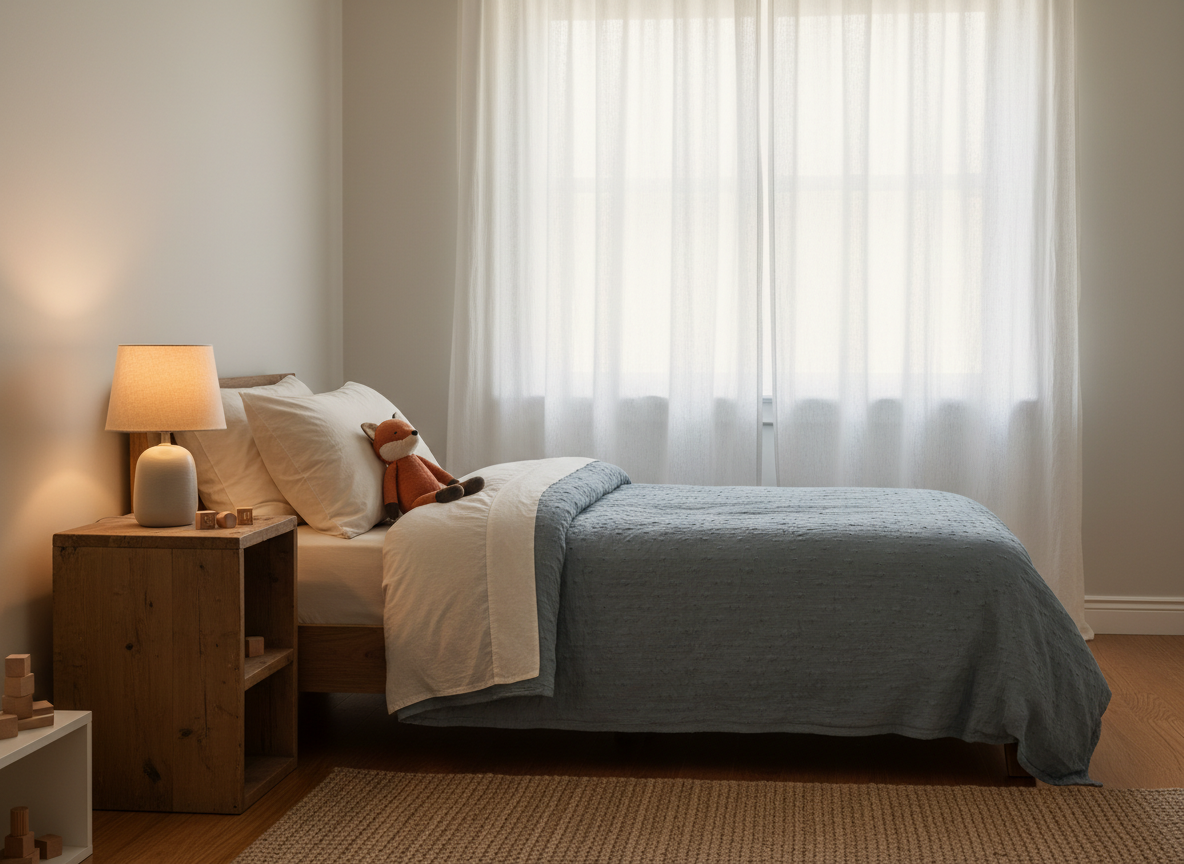
A calm and safe room setup
For several evenings, notice how light, noise, temperature and timing relate to rest. Change one factor at a time so you can tell what works for your family.
Safe-sleep basics for infants
For babies, safety comes before perceived comfort: place them on their backs on a firm, flat surface with a fitted sheet and keep pillows, soft bedding and toys out.
Did you know?
Did you know? Regular schedules and daylight also help shape sleep-wake rhythms; a bedroom alone cannot resolve every sleep difficulty.
Adjust the sleep setup to your child’s age
A bedroom can support sleep, but it cannot replace a steady schedule or address every health concern. Start by watching your child’s actual pattern for a week: bedtime, waking, naps, screen use and how rested they seem during the day. Adjust one practical factor at a time, such as dimming lights or moving a noisy toy, and keep the routine predictable.
Different needs from infancy through adolescence
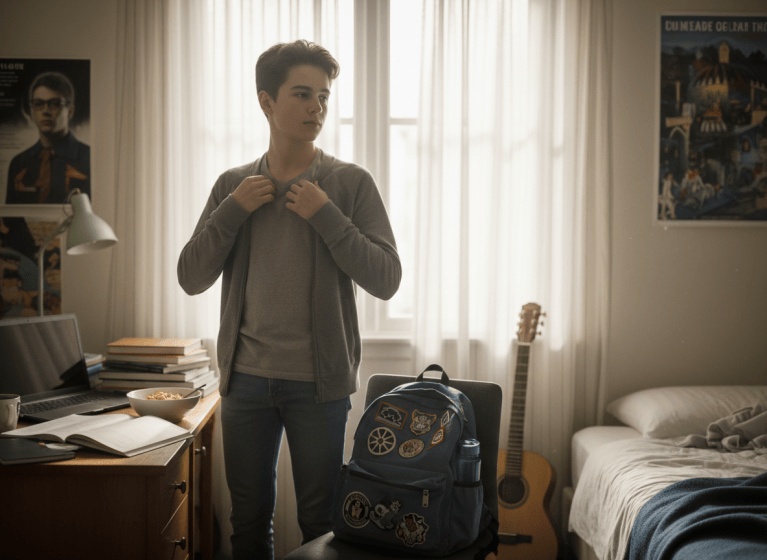
For babies, use a separate, firm, flat and empty sleep surface, place the baby on their back for every sleep, and keep loose blankets, pillows and toys out. Room-sharing without bed-sharing is recommended during early infancy. For toddlers and preschoolers, a familiar sequence—wash, quiet story, lights out—can make the transition easier. School-age children benefit from a regular wake time and a bedroom that is calm and not used for exciting play right before bed. Teenagers’ body clocks often shift later during puberty, so a consistent schedule and morning daylight can help; they still need adequate sleep.
A practical evening checklist
Lower bright lights as bedtime approaches, keep the room comfortably cool without overheating an infant, and reduce sudden noise where possible. The American Academy of Pediatrics advises turning screens off at least one hour before bedtime and keeping devices out of children’s bedrooms at night. Choose a quiet alternative such as reading, drawing or conversation. If a night-light reassures your child, use a dim one and place it safely.
When to talk with a health professional
Ask your pediatrician about persistent snoring, pauses in breathing, unusual night waking, severe difficulty falling asleep or daytime tiredness that affects learning and mood. For infants, follow current safe-sleep guidance rather than adding positioners, weighted products or soft bedding. A clinician can help consider breathing, pain, medicines, anxiety and other causes alongside the bedroom environment.
Frequently asked questions
Does the room need to be completely dark?
A darker room may help some children, but comfort and consistency matter more than perfection.
Is white noise safe?
If using a sound machine, follow safe volume and distance advice from your clinician.
What should the room temperature be?
There is no single temperature for every child; avoid overheating or chilling.
Can a nightlight affect sleep?
A dim warm light may comfort some children; limit bright light.
What belongs in an infant sleep space?
Use a firm, flat, empty sleep space and follow current safe-sleep guidance.
Should screens be in the bedroom?
Turn screens off before bed and keep them out of the sleep space when possible.
What if my child will not sleep in their room?
Use predictable routines and gradual reassurance without force.
When should I ask a clinician?
Ask a clinician about snoring, breathing pauses, frequent waking or daytime effects.
Sources