
A toddler may know the names of every vehicle in a book yet struggle to ask for help. Another may use only a few words but communicate constantly with gestures. These children need to be understood as individuals. When you worry about late talking, a word count is one part of the picture. Understanding, social communication, hearing and changes over time all matter. Asking for an assessment does not commit your child to a diagnosis; it helps clarify what support, if any, is needed.
Speech and language answer different questions
Speech concerns how sounds are produced. Language includes understanding meaning and expressing ideas through words, signs or other communication. A difficulty in one area can occur with or without difficulty in another. NIDCD explains these distinctions and the role hearing can play in development. NIDCD: Speech and language development
Notice communication during ordinary activities. How does your child request a drink, show you an interesting object or respond to a familiar instruction? Does the pattern change in a noisy room? Write down a few examples rather than repeatedly testing them. Observations support a conversation with a professional; they are not a home diagnostic checklist.
Use milestones as prompts to act, not labels
What the two-year milestone means
The CDC includes putting at least two words together among its communication milestones at age two. A missed milestone does not identify a particular condition, but it is a reason to discuss development. If your child loses a skill they previously used, raise that concern promptly rather than waiting for the next routine visit. CDC: Milestones by 2 years
Describe what actually happens
For example: “She brings me a cup for water and sometimes says water. I have not heard two words together. She follows familiar routines, but I am unsure how much she understands without a gesture.” This is more informative than “She understands absolutely everything” or “She never communicates”.

Turn play into an exchange, not a quiz
Follow your child’s focus. If a toy bus interests them, make a short comment and pause: “Bus is going.” Accept a look, sound, gesture or word as a turn. Expand an attempt gently rather than demanding an exact repetition. When the child says “bus”, “Big bus” offers a little more language without turning the game into a test.
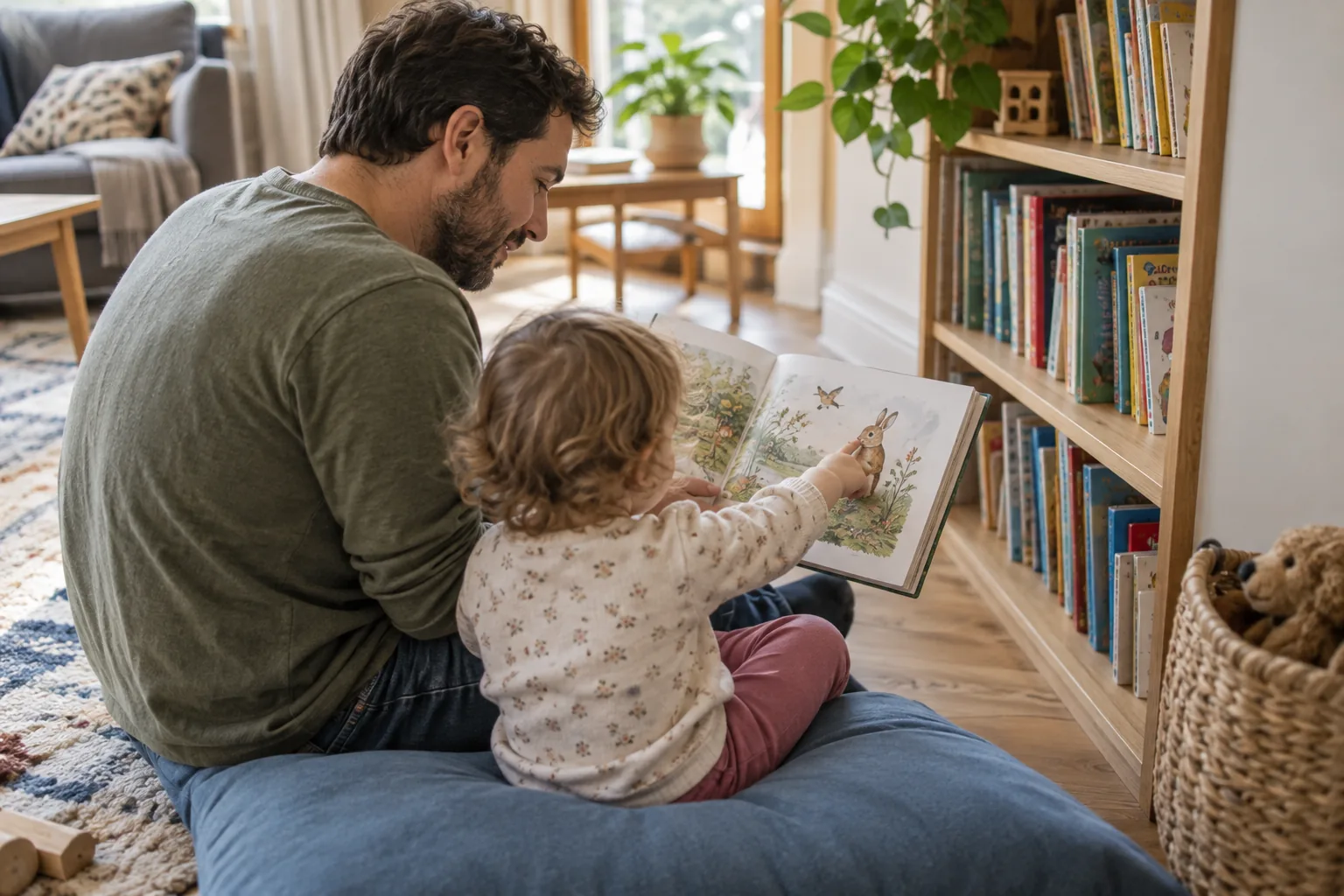
With a picture book, you can talk about one page instead of finishing the story. Describe what your child notices, wait and respond. Cooking, dressing and tidying provide similar opportunities. These are practical examples of responsive interaction, not a guaranteed treatment programme. They can continue while you seek assessment.
Do not withhold drinks, food or comfort until a child says a word. A communication opportunity should not depend on denying a basic need. Equally, repeating words from a video is not the same as using language flexibly with another person. Notice who the words are directed to and what the child is trying to achieve.
Include every language and consider hearing
For families in Istanbul, the language at nursery may differ from the language of home. ASHA states that learning more than one language does not cause or worsen a speech or language disorder. Keep using the languages you communicate in comfortably, and tell the assessor about all of your child’s language experiences. ASHA: Learning more than one language
Begin with your child’s doctor and ask about appropriate hearing and speech-language assessment. Responding to some household sounds does not exclude every hearing difficulty. A hearing check may form part of understanding the concern. Bring previous developmental information and examples from nursery if available. Do not postpone because a relative “talked late and turned out fine”. NIDCD: Speech and language development
Did you know?
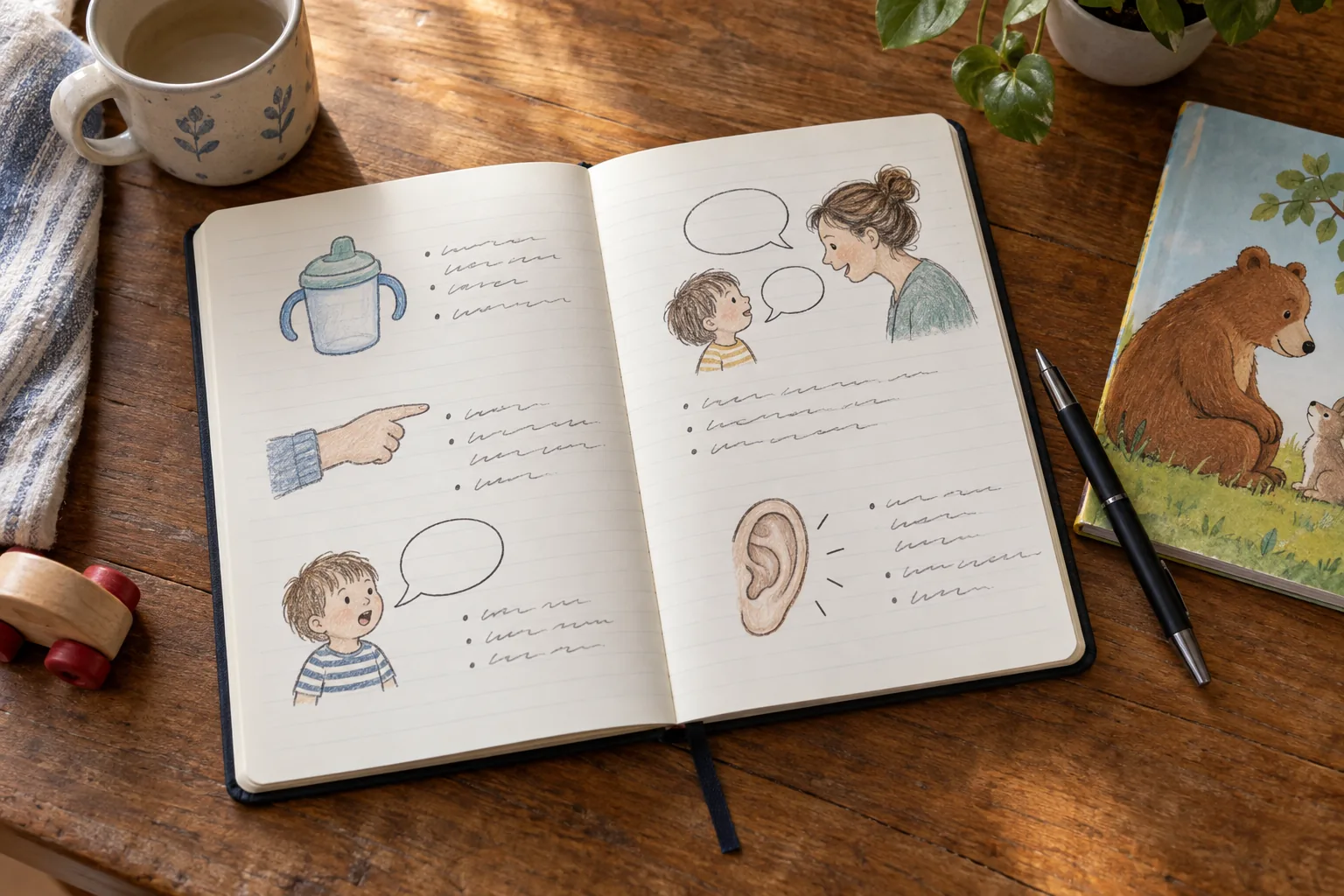
Assessment is broader than asking a child to name pictures. Understanding, gestures, interaction, hearing and family observations can all contribute. For multilingual children, a picture of skills across their languages is more informative than judging only the language used in the clinic. NIDCD: Speech and language development ASHA: Learning more than one language
Frequently asked questions
What if my two-year-old does not combine words?
Discuss the observation with your child’s doctor and request a developmental review. The CDC milestone is not a diagnosis, but a reason to act on a concern. Include examples of gestures, comprehension and words used in every language, rather than focusing only on a total.
Should boys simply be given more time?
A child’s sex is not a reason to dismiss concerns. Their individual development, hearing and communication pattern matter. Family history of late talking may be relevant information, but it cannot guarantee that this child will catch up without support.
Have I caused this by understanding my child too well?
Understanding your child is not a parenting failure. You can leave comfortable pauses and offer language during play without ignoring requests. Withholding help to force speech is unnecessary. If there is a concern, assessment is more useful than blaming a responsive parent.
Does singing a whole song rule out language delay?
No single ability describes the entire communication profile. Memorised songs may coexist with difficulty asking questions, sharing interests or understanding new instructions. Tell the professional both what your child can do and where communication breaks down.
Is mixing languages a problem?
Using words from different languages in one sentence can occur in multilingual development. ASHA does not treat that alone as a disorder. Assessment should consider the child’s skills and exposure across languages, rather than assuming one language must be removed. ASHA: Learning more than one language
Why test hearing when my child notices the doorbell?
Hearing a particular sound does not establish that all speech sounds are consistently accessible. Your clinician can advise whether testing is needed. Sharing ear problems, hearing history and responses in different settings can help guide the assessment.
Should we try home practice before seeking help?
Responsive play and a professional review can happen together. You do not need to wait months to see whether informal activities solve the concern. Assessment helps decide whether monitoring, targeted support or further investigation fits your child’s needs.
What if words my child used before have disappeared?
Report a loss of previously used communication skills promptly. Note when it began and whether gestures, play or other abilities changed too. Loss of skills is different from slow progress; an online article cannot determine its cause or the right individual response.
Related reading
- When a Child Struggles Socially
- Helping your child find their voice in Istanbul: Turkish and the language of home
Sources
- CDC: Milestones by 2 years
- NIDCD: Speech and language development
- ASHA: Learning more than one language
For general information; this does not replace an individual assessment.
Bir yanıt yazın