
Your toddler says no to shoes, then no when you offer to carry them. A two- or three-year-old can use that one word for several things. They may want a say, need help starting, or simply want to finish what they are doing. Notice which requests set it off and whether your instructions leave room for a real answer.
Separate the decision from the choice
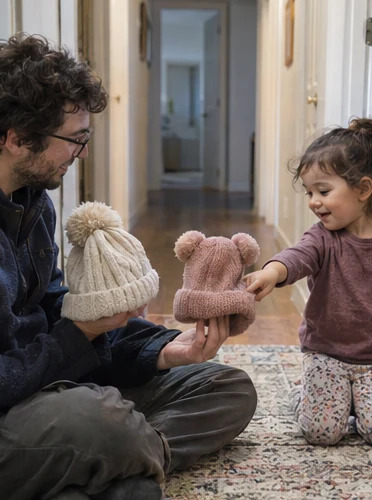
If it is time to go outside, try “Shoes on. Trainers or boots?” Give choices that both work for you. If your child refuses both, acknowledge it and help them move to the next step. Keep the instruction small. Asking them to fetch a coat, find shoes and come to the door all at once can make it hard to know where to begin.
Test one difficult moment this week
Choose one routine, such as leaving the playground. When it is nearly time, let your child know what can happen before you go. “One more slide, then we walk to the gate.” When they move with you, say what you noticed. “You came to the gate with me.” Keep the same sequence for several visits so it becomes familiar.
In an unsafe situation, intervene first. If frequent conflict keeps getting in the way of family life or preschool, or if you have concerns about language and development, describe a few recent examples to your child's clinician.
Frequently asked questions
What if my child says no but does the task anyway?
Acknowledge that they did it. You can focus on the action that got the routine moving.
Should I offer a choice every time?
Only when both options are genuinely available. State safety requirements simply and follow through.
How can I make instructions easier?
Get close, use a calm voice and give one action at a time. A gesture can show what you mean.
What if my child is too upset to choose?
Pause, name the feeling briefly and help with the first step once they can engage.
When should I ask for help?
Talk with a clinician if the pattern is intense and persistent, affects daily life or comes with other developmental concerns.
Sources
Türkçe · Deutsch · English · Français · 简体中文 · 日本語 · 한국어 · العربية
Bir yanıt yazın