
If your family has recently moved to Istanbul, a Turkish breakfast may look less like a single plate and more like a table being assembled piece by piece. Small dishes arrive, bread is shared and different people reach for different combinations. The name often used for this style is serpme kahvaltı. Understanding the format makes it easier to order with children without assuming that every breakfast follows the same rules.
This guide is for English-speaking families who live in Istanbul, including those still becoming familiar with local menus. Visiting relatives may find it useful too. Filifu Cafe in Maltepe offers a local setting to consider for a family breakfast, but the article does not quote a current package or price. Check the menu and confirm the arrangements for your group before treating any example as part of an order.
What serpme kahvaltı means at the table
In everyday menu use, serpme kahvaltı generally refers to breakfast served across a selection of dishes for the table. That description tells you about the style, not a universal list of ingredients. One venue may include a particular hot dish while another offers it separately. The number of people covered, the drink arrangements and the treatment of children can also differ.
Think of the first task as understanding the offer in front of you. Ask what is included, how it is intended to be shared and which choices are optional additions. A photograph can help you recognise the presentation, but it cannot tell you whether every visible item belongs to the current breakfast you are considering.
Shared presentation does not answer the pricing question
Several dishes in the middle of the table do not necessarily mean a family can order any quantity for any number of people. Ask how the venue handles your actual group. Keep the number of adults and children clear, and mention anyone who may join later. It is easier to understand the arrangement before ordering than to resolve different assumptions when the bill arrives.
Use a simple opening question
You might say, “We are two adults and two children. Could you explain the breakfast options for our table and what each includes?” This gives staff a practical starting point without suggesting an answer. Follow up on the details that matter to your family rather than trying to learn every possible rule at once.
Read the menu in groups before choosing individual dishes
Many Turkish breakfast tables include some combination of cheeses, olives, vegetables, bread, egg dishes, pastries or sweet accompaniments. These are broad examples, not a confirmed Filifu breakfast list. Looking for groups can help you see whether the main offer already covers something you were about to order again.
Next, identify the items your family particularly wants. Perhaps someone would like an egg dish, while another person is mainly interested in bread and cheese. Ask whether those preferences fit the offered breakfast or would be separate orders. A dish being shown nearby on a menu does not establish that it comes automatically with the shared selection.
A few useful distinctions
Some words describe a food, while others describe how a breakfast is presented. Kahvaltı means breakfast; serpme helps identify the shared spread format. A named egg dish or pastry is an individual menu item and may have its own ordering conditions. When in doubt, point to the exact listing and ask what is included rather than relying on a photograph from another restaurant.
Language explanations should not be treated as ingredient guarantees. Recipes and preparation can vary, even when a dish name is familiar. If a child has a particular dietary requirement, their parent should discuss the relevant details directly with the venue. Do not assume that an English description of a Turkish word establishes whether a dish is suitable for that child.
Give children an understandable place in the shared meal
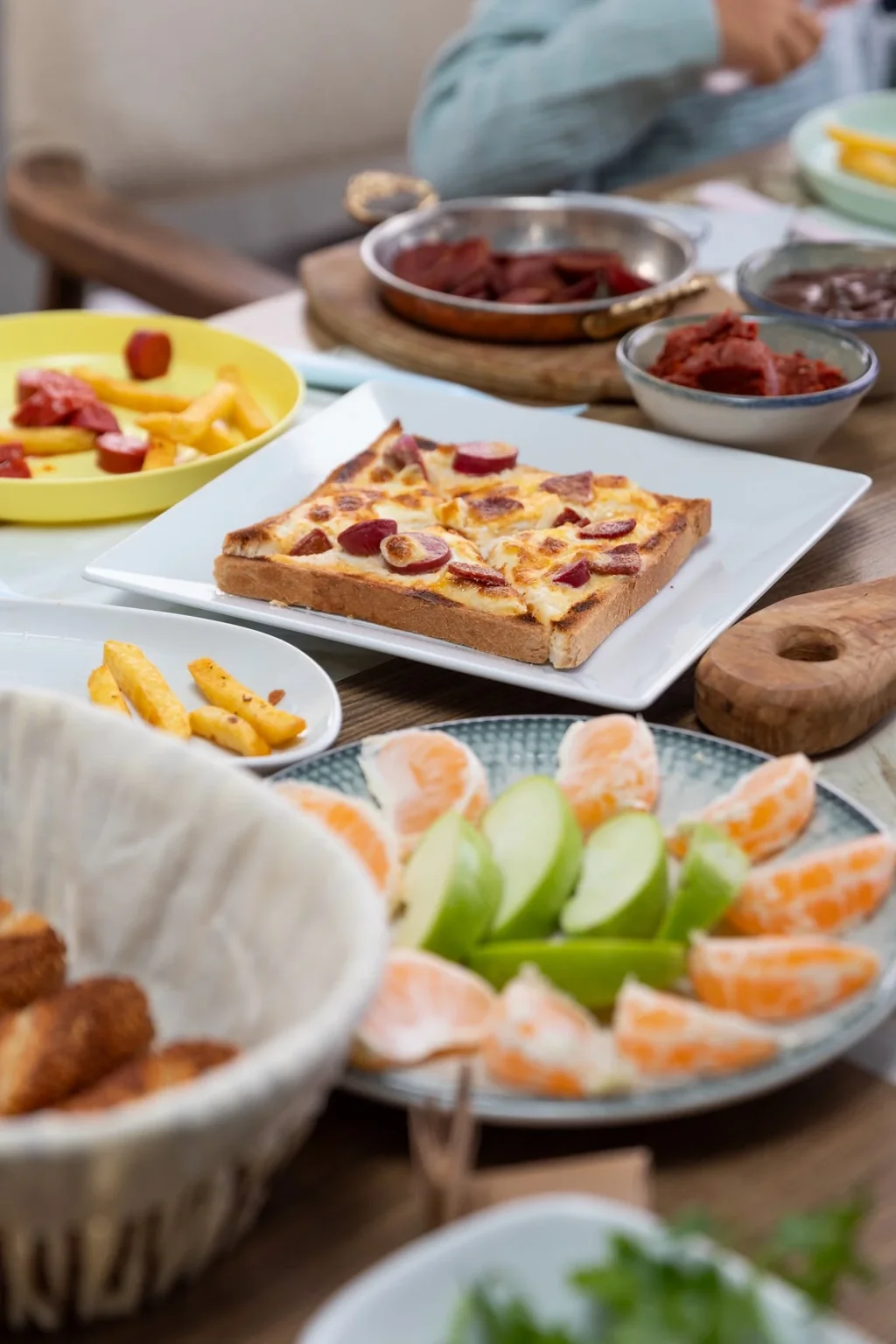
A table full of unfamiliar dishes can be interesting, but it can also make a child unsure where to start. You can describe a few things plainly and let them notice what looks familiar. There is no need to turn the outing into a challenge to taste every item. A shared breakfast can still be enjoyable when different family members choose different combinations.
If you serve something from a shared dish, consider keeping the child’s choices recognisable on their own plate. Ask what they would like rather than combining several foods before they have seen them. This is a practical suggestion for navigating a shared table, not a feeding programme or a claim that one approach suits every child.
Separate a preference from an order for the whole group
A child saying that they like a food does not always mean the family needs an additional full dish of it immediately. Check what is already coming and what the ordering options allow. Equally, avoid promising a favourite item based on an old photograph before checking that it is currently available. Clear expectations can reduce disappointment without placing pressure on the child.
Ask about drinks early
Tea is closely associated with Turkish breakfast, but that does not establish a particular refill policy at every café. Ask which drinks, if any, are included in the offer and which are charged separately. Do the same for drinks ordered for children. A familiar-looking glass on the table is not a description of the commercial terms.
With several adults ordering, it helps to know who is requesting shared items and who is making an individual order. Before asking for a missing drink again, check whether it is already on the way. The aim is not to make breakfast formal; it is to avoid an accidental second order when several people try to solve the same small problem.
Leave room for cups and serving dishes
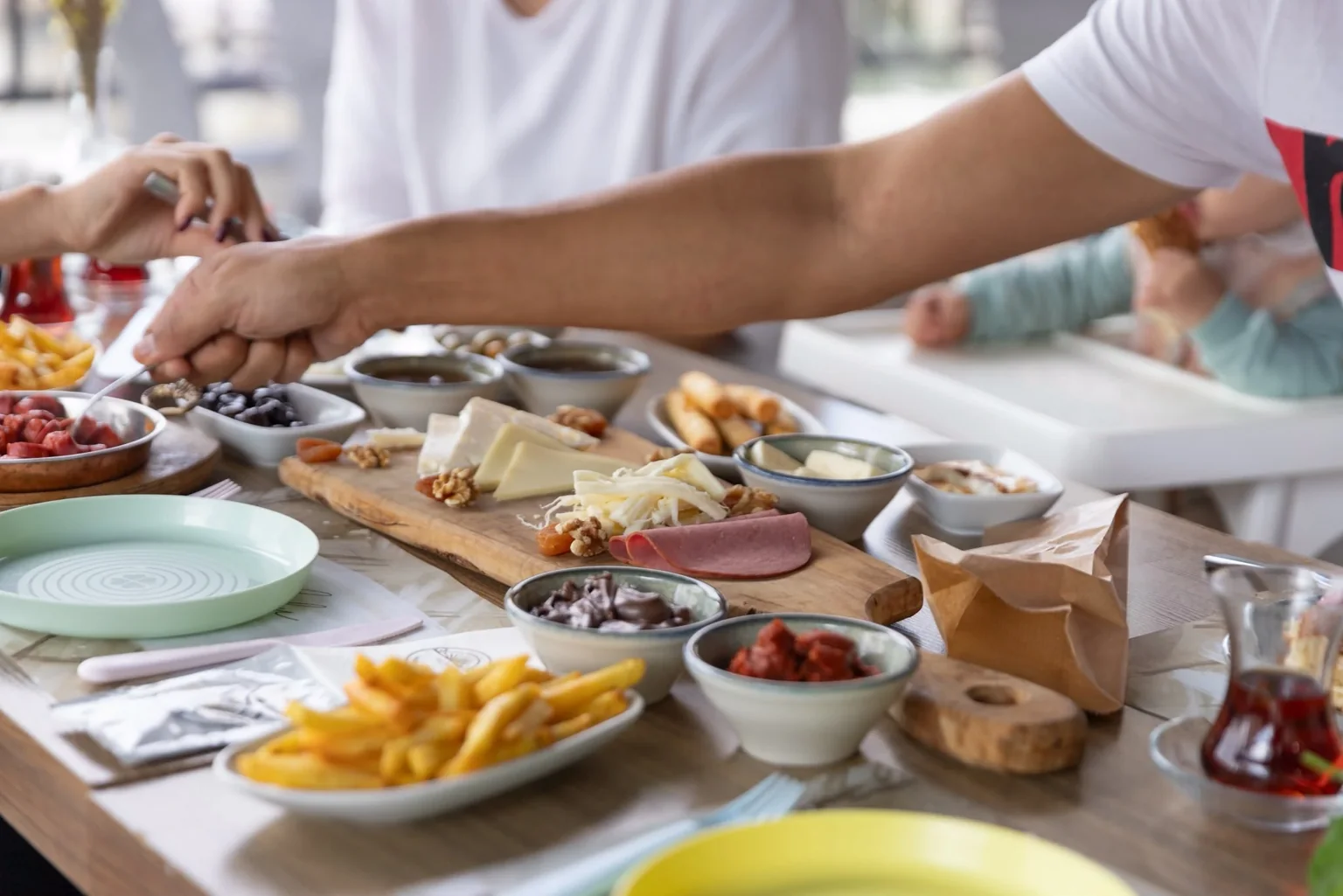
Small breakfast dishes can occupy more table space than expected. Move bags, loose belongings and unused personal items to a suitable place before the spread arrives. Consider where hot drinks are placed in relation to children and the service route. If the layout does not work comfortably, ask for help rather than continuing to stack objects wherever a gap appears.
Choose a breakfast time that fits your family
Living in Istanbul gives you the option to treat breakfast as part of an ordinary day rather than an attraction that must fit a sightseeing schedule. Think about when your children usually want to eat and how much time your family wants to spend together. Then ask the venue about its current breakfast service and booking arrangements for that date.
Do not build the plan around a service time copied from an old article. Opening hours, kitchen arrangements and availability can change. If you are meeting friends, distinguish the time you hope to arrive from any confirmed reservation or service requirement. This makes it easier to handle a late arrival without assuming that the whole group can simply shift the booking.
A leisurely breakfast does not need to last all morning
Some families enjoy a long conversation, while others prefer a shorter meal before another part of the day. Neither approach needs to become a measure of whether you have experienced Turkish breakfast “properly”. Agree on a realistic expectation within your group, especially when one family has a baby or another has a later commitment.
Understand the relationship between food and play
At a café with children’s play spaces, the meal and play arrangements may be connected in your family’s plan but still have separate conditions. Ask what applies to the areas you are considering, including adult accompaniment and any booking or access requirements. The presence of a play area does not by itself make its use part of a breakfast order.
Filifu’s children’s play-area introduction, in Turkish can help you recognise the setting. Use it to prepare questions rather than infer a complete supervision arrangement. If children move away from the table, the responsible adults should still understand who is accompanying them and which rules apply.
Explain the next step without making it a reward
You can briefly tell a child how the visit is expected to unfold: meeting the family, eating and considering an activity under the venue’s rules. The exact order can vary. Avoid using access to a space as a promise before you know it is available, or making the whole visit depend on finishing a particular plate. The aim is an understandable family outing, not a performance at the table.
Use Filifu’s own pages to prepare a focused enquiry
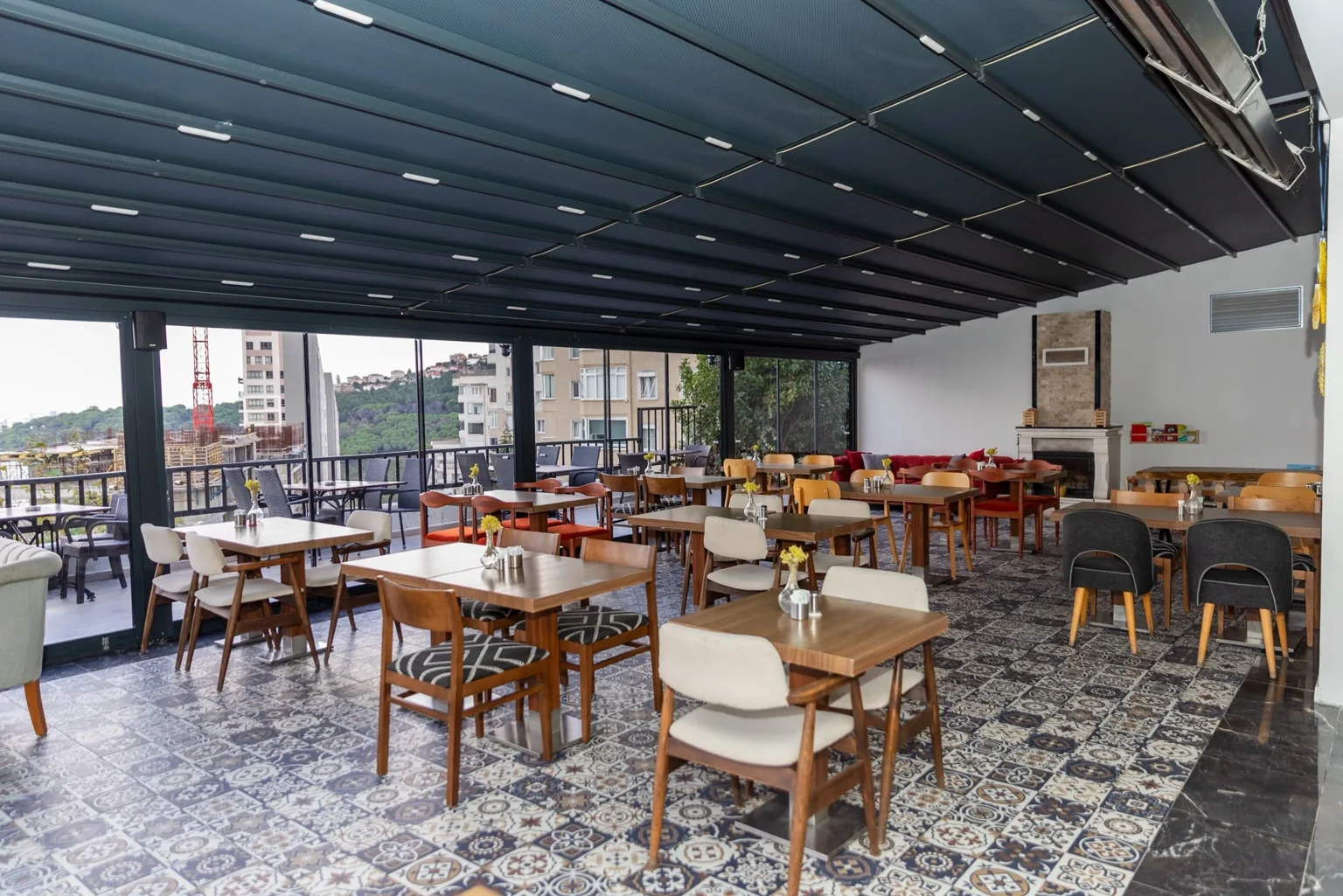
Start with the Filifu menu page for the current published selection. Then look at the café-area information, in Turkish to see the seating environments described by the venue. If you are interested in a garden table, a particular view or a practical seating arrangement, ask about availability rather than treating a photograph as a reservation.
A useful message includes your proposed date, adult and child numbers, and the questions that affect your decision. For example, you may need to clarify the breakfast contents, the treatment of children in the order and any relevant seating needs. Keep uncertain attendance clearly marked as uncertain, and ask when the venue needs a final number.
Keep the confirmed answer together
If you contact the venue more than once, retain the latest agreed details in one place. This is especially useful when one parent makes the booking and another arrives first. A short shared note is usually enough. It should explain the actual arrangement rather than repeat every option that was considered during the conversation.
Frequently asked questions
Is serpme kahvaltı the same at every Istanbul café?
No. It describes a broad shared breakfast style, while the contents and ordering conditions vary. Ask about the current offer at the venue you plan to visit.
Can children share the adults’ breakfast?
Check the venue’s rules for your group. A shared presentation does not establish how children are counted or which orders are required. Avoid making assumptions based only on a child’s appetite.
Is tea always unlimited?
No universal policy should be assumed. Ask what the breakfast includes and how additional drinks or refills are handled. A previous visit or another café’s practice may not match the current arrangement.
Does Filifu include play-area access with breakfast?
This guide does not confirm that. Ask about the current food and play conditions separately, including accompaniment and any relevant access requirements for your children.
Do we need to try every dish?
No. A family can enjoy a shared meal while choosing different foods. Let children understand the options without making tasting everything a condition of a successful outing.
Can a translated dish name confirm an allergy-related question?
No. A name or general translation does not establish ingredients or preparation. Discuss the specific question directly with the venue and follow the individual guidance you have received for your child.
For a resident family, Turkish breakfast can become a familiar way to spend time together rather than a menu to master in one visit. Understanding the shared format, asking a few precise questions and choosing a workable pace can make the table easier to navigate. At Filifu Cafe or elsewhere in Istanbul, the most useful plan is the one that fits the people actually sitting down to eat.
Bir yanıt yazın