A Bilingual Children’s Birthday in Istanbul: Invitations, Games and Parent Communication
A birthday invitation can be perfectly clear to one family and confusing to another. In Istanbul, a child’s friends may use Turkish at school, English at home, or a mixture of languages with different relatives. A bilingual birthday does not need two separate parties. It needs a few shared messages, activities that are easy to understand, and adults who know how practical information will be passed on.
This guide is for families living in Istanbul who are inviting Turkish-speaking and English-speaking friends to a children’s birthday. Visiting relatives may join too, but the focus is an ordinary local celebration rather than a tourist itinerary. Filifu Cafe in Maltepe is used as a venue example. Any staffing, language support, activity or booking arrangement should be confirmed directly; a bilingual guest list does not establish that the venue provides bilingual hosts.
Decide which information every parent needs
Start with the decisions that affect attendance: the date, arrival time, location, expected adult accompaniment and how to reply. These are the details that should appear in both languages. A long description of the decoration theme is less useful if one version omits whether siblings are included. Write the practical information once in a simple master note, then prepare matching versions from that note.
Two versions do not have to sound identical sentence by sentence. Natural wording is preferable to a literal translation that makes a basic instruction harder to understand. However, the facts must agree. Check numbers, dates, contact details and anything that describes what families should bring or expect. If plans change, update the master note before sending another message.
Keep the venue name and address consistent
Use the venue’s actual name in both versions and retain its verified Turkish address. An English explanation of the district can be useful, but it should accompany the original address rather than replace it. Share the same checked map link with both groups. Ask someone who has not been involved in the planning to open it and tell you which location appears.
Check the messages for unequal information
A useful final test is to compare only the practical lines. Does each version give the same start time? Does each ask about accompanying adults? Has a note about siblings disappeared from one version? This is a more meaningful check than whether both invitation cards have the same number of words or look equally full.
Write an invitation that sounds welcoming and specific
A concise English message might read: “We would love your family to join our child’s birthday gathering on [date] at [time]. Venue: [confirmed name and address]. Please let us know how many children and accompanying adults will attend by [reply date]. The accompaniment arrangements are [confirmed details]. Contact [host] if your plans change.” Fill in the brackets with agreed information before sending.
A short Turkish counterpart could begin: “Çocuğumuzun doğum günü buluşmasına sizi de bekliyoruz. Tarih ve saat: [bilgi]. Yer: [doğrulanmış ad ve adres]. Katılacak çocuk ve yetişkin sayısını [tarih] gününe kadar bildirir misiniz?” Add the same accompaniment and contact details as in the English version. These are host-message examples, not wording that commits Filifu or another business to a particular service.
Make replies easy for busy parents
Ask for the few details you actually need in one message. A parent can answer “one child and one adult” more easily than work out whether your headcount includes caregivers. If attendance is uncertain, allow a clear “not yet confirmed” response and agree when to check again. Avoid collecting unnecessary personal information simply because a spreadsheet has spare columns.
Choose activities that can be understood by watching
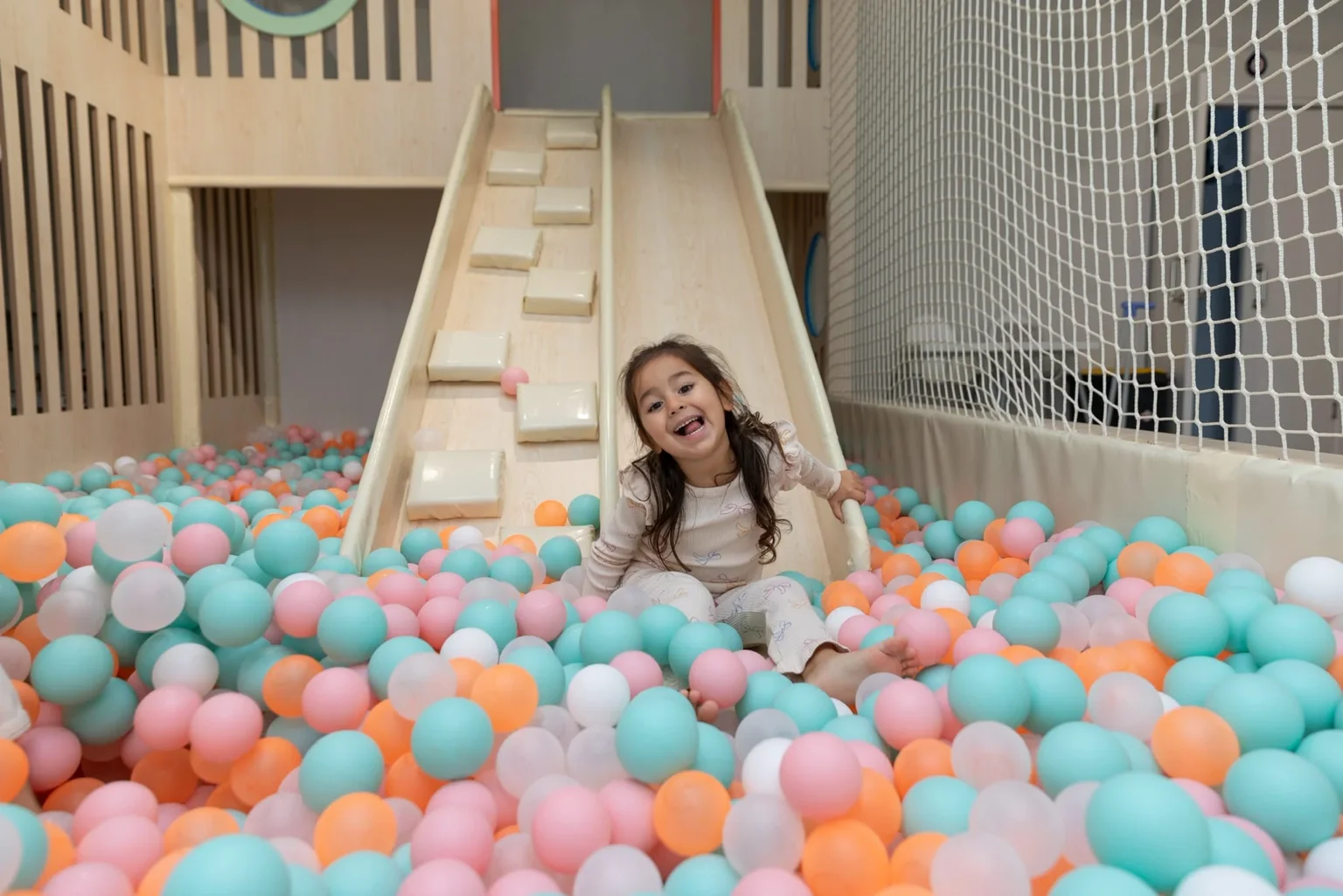
At a mixed-language gathering, the easiest shared activity is often one that a child can understand after seeing a short demonstration. Drawing together, arranging a simple shared picture or taking turns choosing an object can be adaptable ideas, depending on ages and the space available. They are suggestions for the host to consider, not a statement that a venue provides materials or organised sessions.
Begin with one clear action, show it, and allow time for children to join. A long explanation in two languages can make an uncomplicated activity feel difficult. Avoid building the entire party around instructions that only some guests can follow, unless you have a workable way to support the others. Participation should not become an informal test of a child’s English or Turkish.
Let children communicate in more than one way
A child may point, demonstrate, use a familiar word or ask a friend for help. There is no need to insist on a single language for every interaction. Adults can clarify practical instructions without correcting every sentence. The purpose of the gathering is for children to enjoy being together, not to perform language skills for an audience.
It also helps to offer a quieter way to take part. A child who does not immediately join a group game might prefer to watch, sit with a parent or draw nearby. This is an ordinary planning consideration, not evidence of a language problem or a diagnosis. Ask what would make participation comfortable rather than making assumptions from one afternoon.
Do not make one child responsible for translation
A confident bilingual child may enjoy explaining a game to a friend. That can happen naturally, but it is different from expecting that child to translate every adult announcement, settle misunderstandings or communicate important venue rules. Adults should remain responsible for the information that affects supervision, food and the agreed arrangements.
If you have bilingual relatives or friends who want to help, discuss a limited role beforehand. One adult might clarify the welcome message, while another helps with a brief activity demonstration. Avoid announcing that someone will translate without asking them. A guest who speaks both languages is still a guest and may also be caring for their own child.
Confirm any language support with the venue
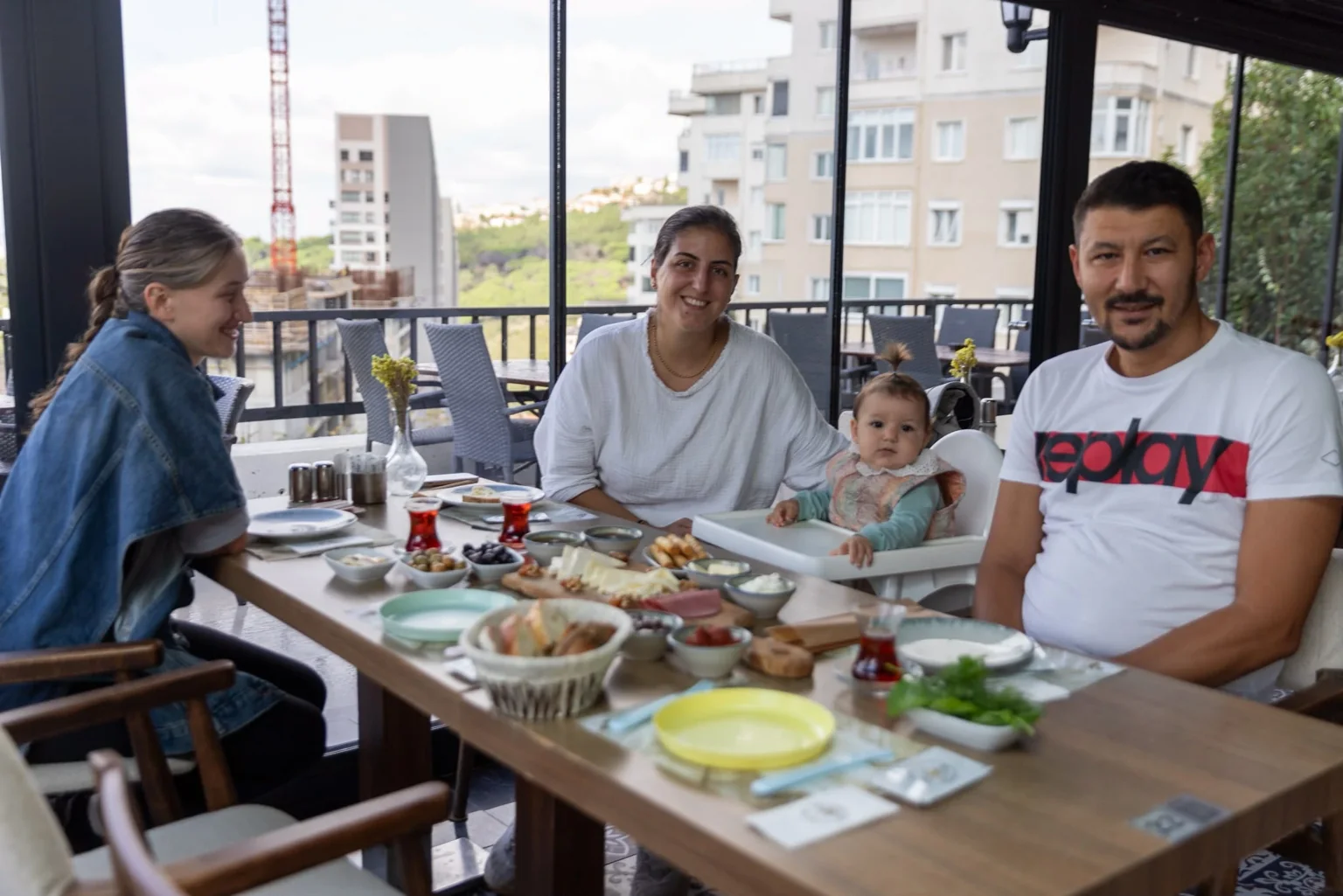
When contacting Filifu Cafe or another venue, explain the languages used by your group and ask how booking details can be confirmed. Do not infer English-speaking staff from an English webpage, or Turkish-language support from a photograph of an international group. If an organised activity depends on a particular language, that requirement needs a direct answer before you promise it to families.
Keep practical announcements short
Parents and children do not need a speech every time the group moves from one part of the gathering to another. A brief announcement, followed by a clear gesture or example, is easier to follow. For instance, tell families that the shared food is ready, indicate the agreed seating area and allow them to move at their own pace.
For the cake moment, decide in advance whether you want one song, two short songs or a simple shared greeting. There is no universal rule that applies to every Istanbul family. Ask the birthday child what they would enjoy and consider what the invited families can comfortably join. A spontaneous mixture of languages can be part of the occasion without requiring everyone to sing unfamiliar words.
Separate language preferences from food requirements
The language a family speaks does not tell you what they eat. Ask about practical food needs without assuming that all English-speaking, Turkish-speaking or visiting guests share the same preferences. Where a child has an allergy or another specific dietary requirement, their parent should clarify the details directly with the venue rather than relying on a general translation in a group chat.
The Filifu menu page can help start the conversation, but current ingredients, preparation arrangements and the scope of a booking require confirmation. If you translate a menu term for a guest, distinguish a simple explanation from a guarantee about ingredients. A familiar dish name is not enough to establish that it suits an individual child.
Use written confirmation for important details
When an agreement concerns food, numbers or supervision, keep the confirmed information in writing. A friendly conversation can still leave two people with different interpretations. After clarifying a point, summarise it in a short message and check that the relevant adult understands. There is no need to circulate a child’s private health information to the whole guest list.
Look at the space through the guest’s eyes
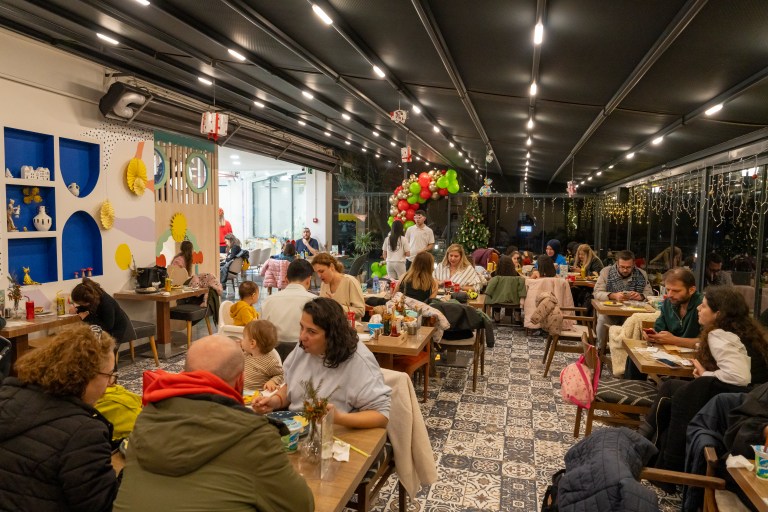
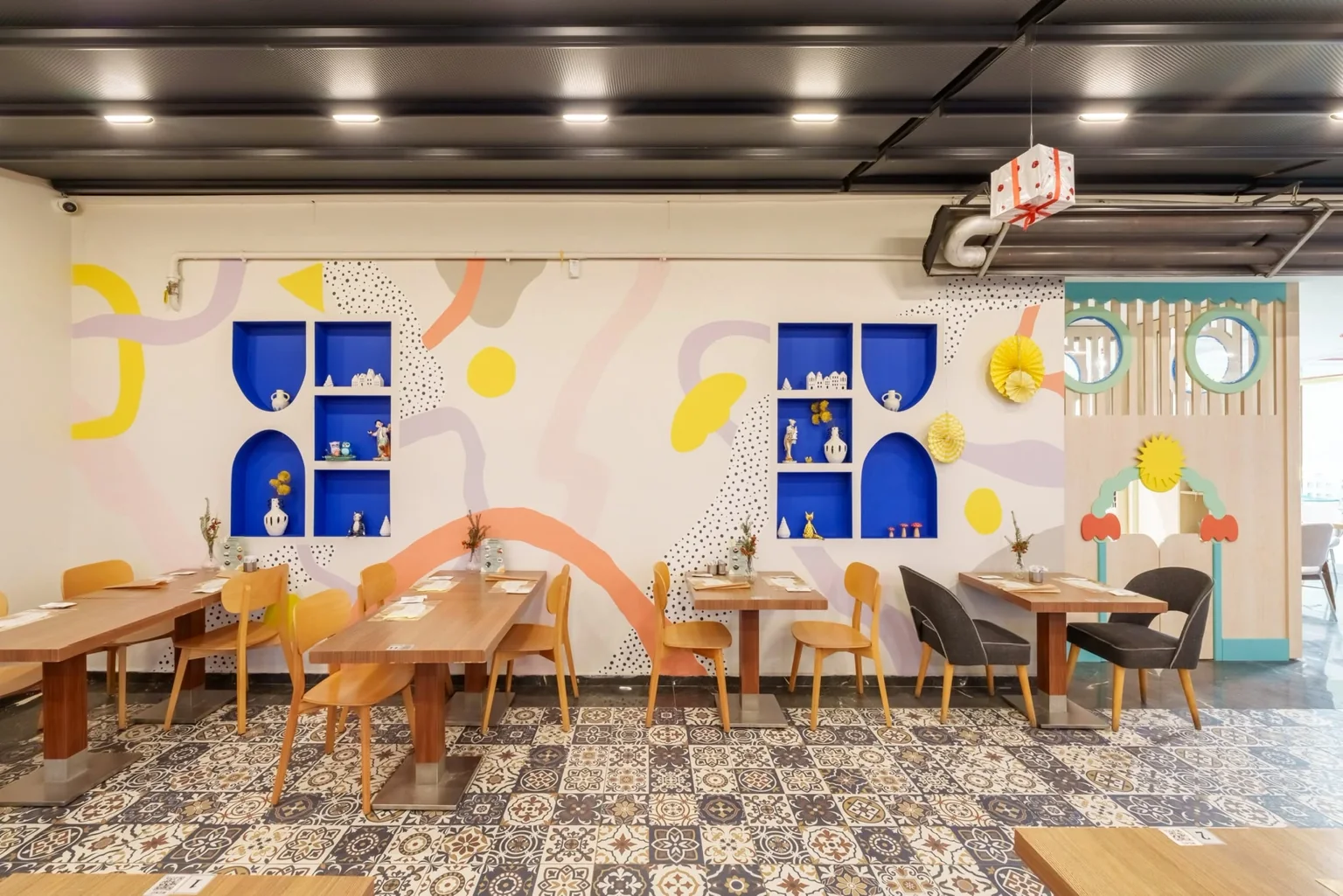
A family arriving for the first time needs to know where to meet the host, where accompanying adults will sit and which arrangements apply to children’s activities. Filifu’s café-area introduction, in Turkish offers a starting point for looking at the setting. Its photographs do not establish what will be reserved for your group on a particular date.
The salt-room page, in Turkish provides another view of the venue. If you are considering using that area, ask about the current conditions and adult accompaniment. In this party guide the salt room is discussed as a physical space; no therapeutic effect or health benefit is implied. The same approach applies to any unfamiliar part of a venue: describe what has been confirmed, not what a picture makes you imagine.
Plan for a misunderstanding without making it a problem
A parent may read an old message, arrive with an additional sibling or misunderstand whether an adult should stay. If that happens, pause and clarify the practical issue in plain language. Refer to the agreed arrangements and check any change with the venue. Speaking louder or repeating a complicated sentence is less helpful than explaining one point at a time.
After a change is confirmed, send the same update to everyone affected. Avoid maintaining two separate streams of information that gradually drift apart. If one host handles the English messages and another handles the Turkish ones, agree that all changes go through the shared master note first. This small habit reduces accidental differences without requiring elaborate event-management software.
Frequently asked questions
Does a bilingual birthday need a bilingual entertainer?
Not necessarily. A family gathering can use brief shared messages and activities that are easy to understand visually. If you want a hosted activity that depends on language, ask the provider directly about the available languages and confirm the arrangement before booking.
Should every invitation be a literal translation?
No. The wording can sound natural in each language. Dates, times, location, attendance questions, accompaniment and contact details should still match. Check those facts side by side before sending the invitations.
Can my child translate for the other children?
They may choose to help a friend during play, but adults should not make them responsible for important instructions or the whole group’s communication. Keep supervision, food information and venue agreements between responsible adults.
Does Filifu Cafe provide English-speaking party staff?
This guide does not establish that service. Contact the venue with your group’s language needs and confirm what can be provided on the requested date. An English article or website page is not a staffing guarantee.
What if a child prefers to watch before joining?
Allow space for that preference. A parent can stay nearby, explain the activity briefly or offer a calmer option when appropriate. A single party does not provide a basis for judging a child’s language ability or development.
How should we share a last-minute change?
Update the central plan, prepare matching short messages and send them to all affected families. State what changed and include the current practical details, so guests do not have to combine information from old screenshots.
A successful bilingual birthday gives families enough shared information to relax and take part. You do not need to remove every language difference from the room. Clear invitations, manageable activities and a reliable adult contact can make those differences easy to navigate while leaving the birthday child and their friends at the centre of the gathering.