Toddler tantrums: a calm plan for difficult transitions
The hardest part of an outing may be leaving. Your toddler was happily building a tower, then hears “time to go” and suddenly cannot bear the idea. For a family getting used to daily life in Istanbul, unfamiliar journeys and long afternoons can add another layer of difficulty. You do not have to solve every feeling on the spot. Start with safety, reduce the demands of the moment, and teach the next skill later. This guide concerns toddlers and preschoolers; a distressed baby or a child who seems ill needs a different assessment.

Read the situation before choosing a response
NHS guidance describes tantrums as common in toddlerhood, often beginning around 18 months and becoming less common as communication develops. An age is a guide, not a deadline. Look at what happened just before the upset: was a snack late, a favourite game interrupted or a crowded room becoming too much? Write one neutral sentence afterwards. “He screamed when the blocks had to go away” tells you more than “he was impossible.” Also notice when transitions go well. The helpful ingredient may be a little preparation, fewer instructions or enough time to finish a small part of the game.
During the storm, make your message smaller
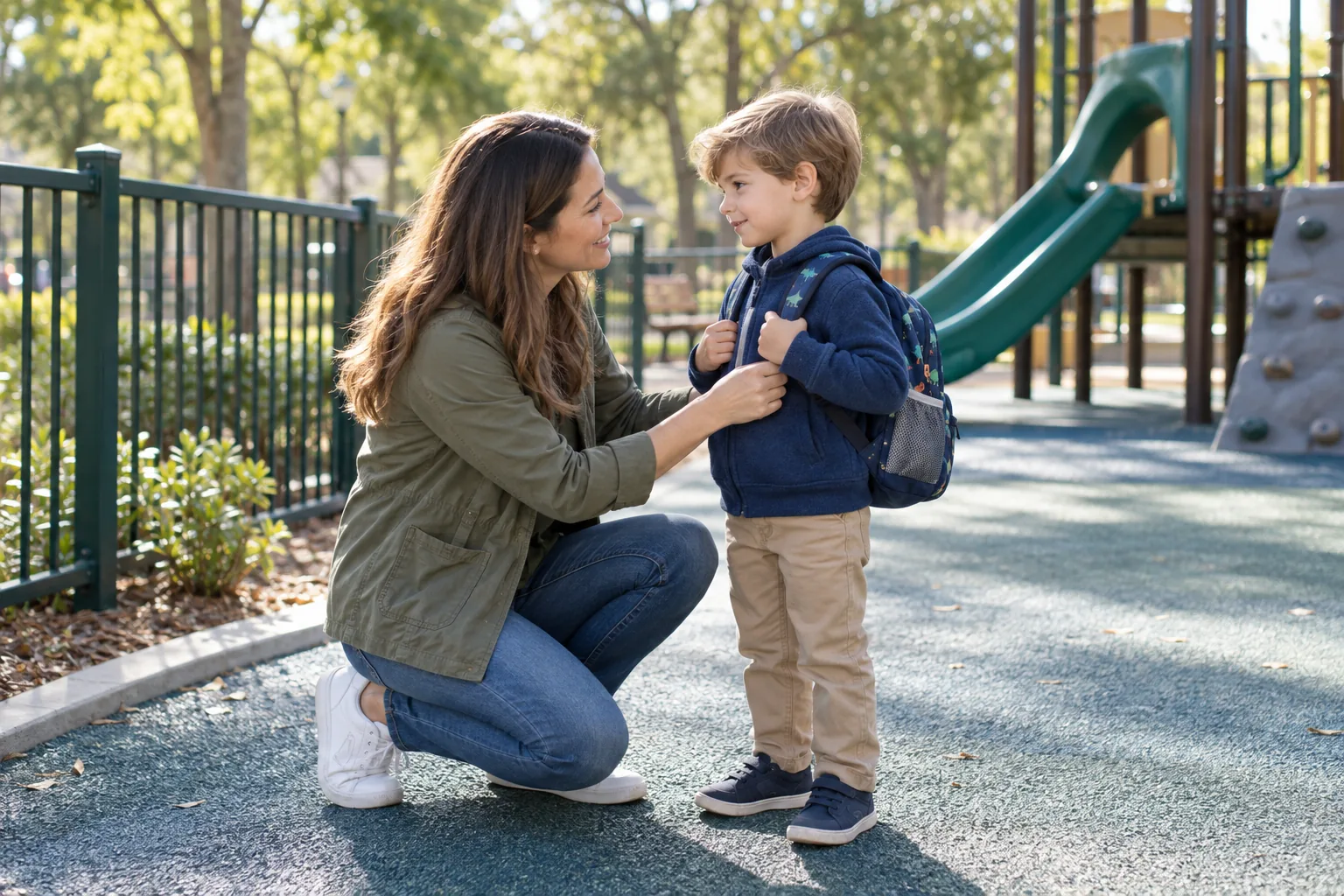
Move dangerous objects and protect other children if necessary. A simple response might be, “You wanted to stay. I will keep you safe. We are leaving.” Say it steadily rather than repeatedly getting louder. If your child welcomes a cuddle, offer one; if touch makes things worse, stay nearby without forcing contact. Choose a quieter spot where possible, not a place designed to shame the child. One adult can speak while another handles coats and bags. There is no need to justify your parenting to everyone watching. Comfort does not require buying the refused toy or abandoning a necessary boundary.
Practise the transition when nobody is upset
After your child can listen again, describe the event without giving them a character label. “You were disappointed, and the toy hit the floor. Next time you can ask for help.” Make practice brief enough to be playful.
A leaving-the-playground rehearsal
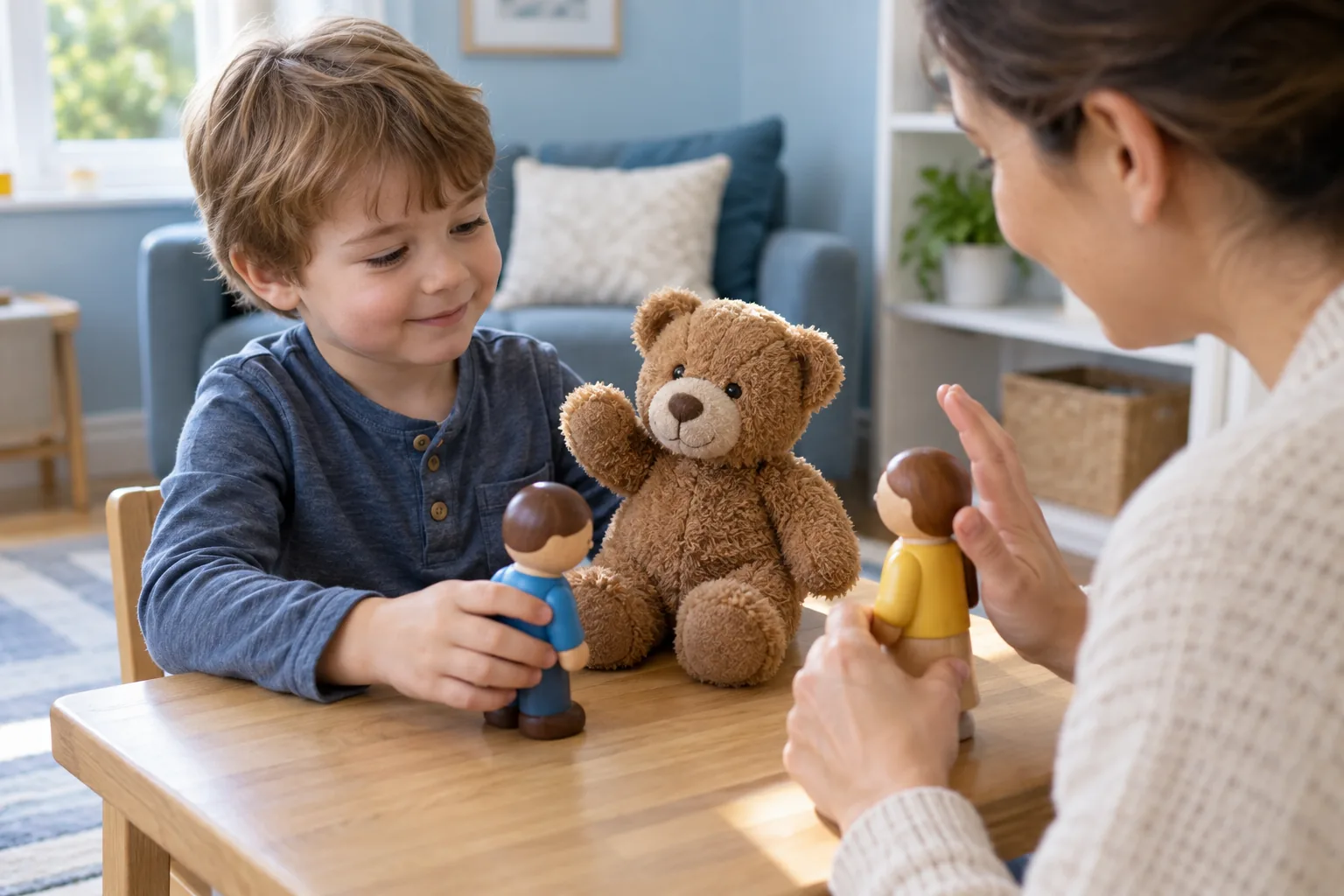
Use a toy figure: it gets one final slide, puts on shoes and waves goodbye. Let your child move the figure through the sequence.
Offer a choice you can honour
“Shall we carry the bag together or shall I carry it?” is useful only if either answer works. Avoid asking whether they want to leave when leaving is not optional. If they cannot choose, calmly choose for them.
AAP — What’s the Best Way to Discipline My Child?
Try one change for the next week
Pick a single repeated difficulty, such as leaving the house, instead of attempting a complete personality makeover. Prepare clothes and food before announcing departure, give a brief warning and keep the next action predictable. Adults do not need identical personalities, but they should agree on the basic boundary. Record useful changes: asking for help, recovering with support or accepting the transition a little sooner. A crying child can still be making progress. If your own stress rises, ask another trusted adult to take over safely. Repair matters too: if you shouted, acknowledge that later and demonstrate the calmer response you want to use.
Did you know?
The AAP explains that coping skills need practice outside stressful moments. Being able to name “angry” at breakfast does not mean a toddler can organise the same words during a noisy departure. A short playful rehearsal is a learning opportunity, not a test of obedience. AAP — Why Kids Act Out
When to seek support
Seek a child-health assessment for frequent injuries, self-harm, major interference with ordinary activities or loss of previously acquired language or social skills. Breathing difficulty, loss of consciousness or serious injury needs urgent care rather than a behaviour strategy. If you fear you may hurt your child, arrange safe supervision and get immediate support from another adult or local emergency services.
Frequently asked questions
Should I ignore every tantrum?
No single tactic fits every situation. Check for pain, fear, overload and immediate safety needs. You can avoid a prolonged argument while remaining available. Never ignore dangerous behaviour, injury or a child whose distress suggests something other than ordinary frustration.
Does comforting a child reward screaming?
Comfort and permission are separate. You can say, “I am here,” while still saying no to an extra purchase. A cuddle is optional, not a requirement. The useful lesson is that difficult feelings can be supported while reasonable limits remain predictable.
What if the tantrum happens on public transport?
Make immediate safety the priority: remain away from doors and platform edges, secure belongings and use few words. If practical, step into a quieter safe space. A travel snack, rest and a simpler journey may help future outings, but never promise that preparation prevents every upset.
Should I ask my child to breathe deeply?
Breathing practice can be offered during calm play, but a very upset toddler may not follow a new instruction. Model a slower pace yourself. Do not make the child earn comfort by performing a technique correctly, or keep adding instructions when they are already overwhelmed.
What if they hit me?
Stop the unsafe action, move hard objects and protect anyone nearby. Say, “I will not let you hit.” Avoid hitting back, threats and humiliating labels. Teach an alternative after calm returns. Repeated injury or difficulty keeping anyone safe warrants professional support.
Why are evenings worse than mornings?
Compare the demands: time since eating, tiredness, noise and the number of transitions. The pattern alone does not prove a diagnosis. An easier arrival-home routine may be worth trying; ask childcare staff for concrete observations rather than deciding that somebody must be to blame.
Must my child apologise immediately?
An apology spoken under pressure may not show understanding. First restore safety and calm. Later, help with a meaningful repair such as checking whether someone is hurt or putting an item back. Keep responsibility age-appropriate and do not require affection from the hurt child.
When do tantrums mean that something is wrong?
Frequency, intensity, injury and disruption to everyday life matter together. There is no universal stopwatch that diagnoses a problem. Discuss persistent difficulties, developmental concerns or loss of acquired skills with a clinician. Parents can ask for help before reaching a crisis.
Related reading
Sources
This article provides general information and does not replace an individual assessment.