Baby Gym Classes: When Is Gentle Movement Play a Good Fit?
Searching for a baby gymnastics class can produce very different offers: a relaxed parent-and-baby group, a toddler movement session or a programme with apparatus. The name alone does not tell you whether a class fits your child. For an infant, the starting point is comfortable, supervised movement and exploration, not learning impressive gymnastics skills. A course is optional, and there is no universal month when every baby should enrol.
Start with the child, then inspect the programme
Consider what your baby currently does comfortably, how they respond to unfamiliar spaces and when they are usually rested. Tell the organiser if your child was born prematurely or has an individual movement or medical concern. Seek advice from your child’s clinician when needed. A provider’s age label is an admission rule, not a medical assessment of your baby’s readiness.
The WHO guidance for children under five places movement within the whole day alongside rest and sleep. A weekly class is therefore only one possible part of family life. It does not replace ordinary opportunities to move at home, and missing a class does not mean a baby has missed a developmental deadline.
What an appropriate first group should feel like
Babies can watch before joining
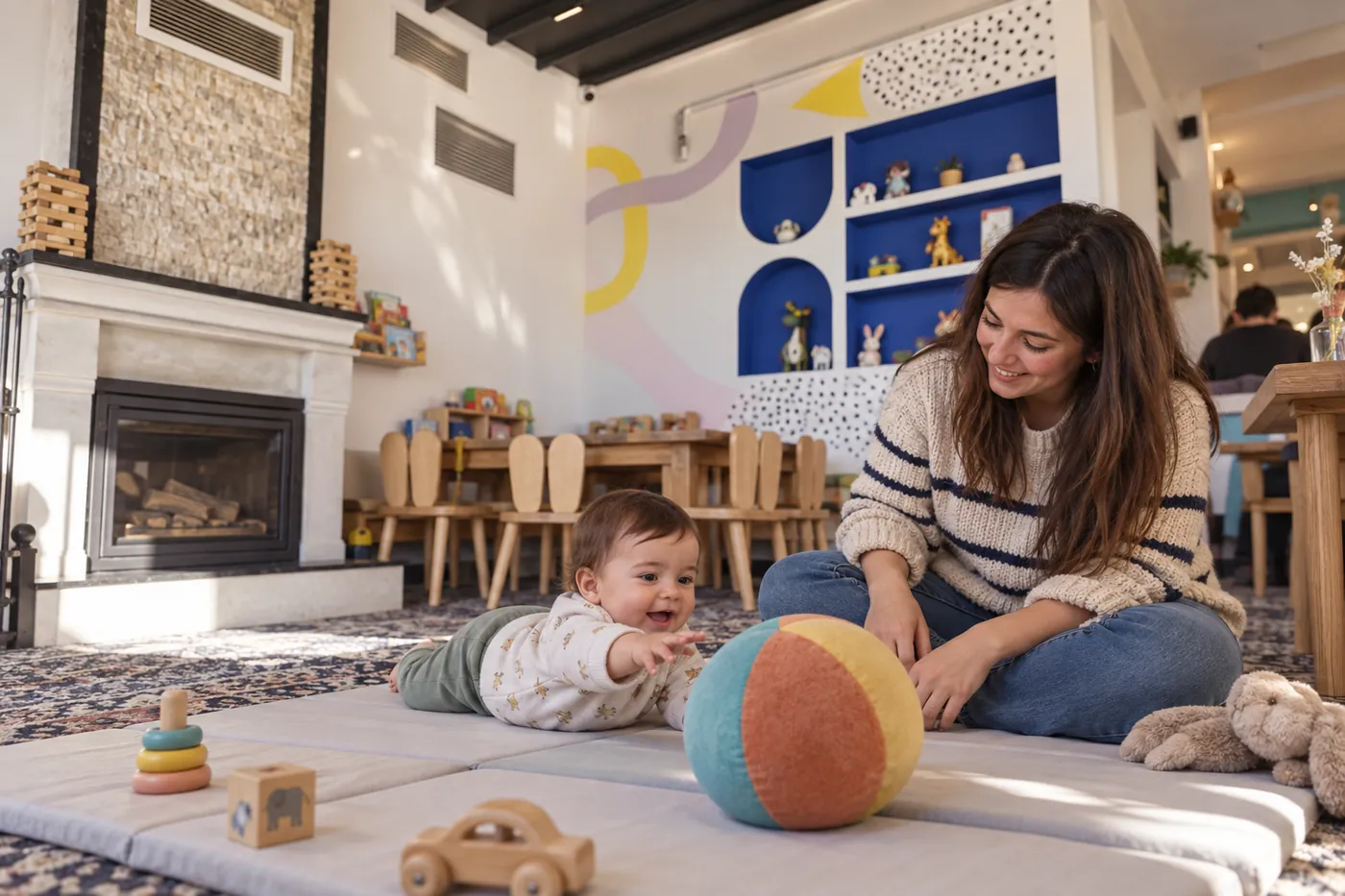
Ask whether a baby may remain with their caregiver, feed when needed or take a break. Watch how the leader responds to crying or hesitation. An invitation to explore is different from insisting that every child completes a sequence. You should be able to say that an activity does not suit your baby and receive a respectful response.
The floor and materials matter
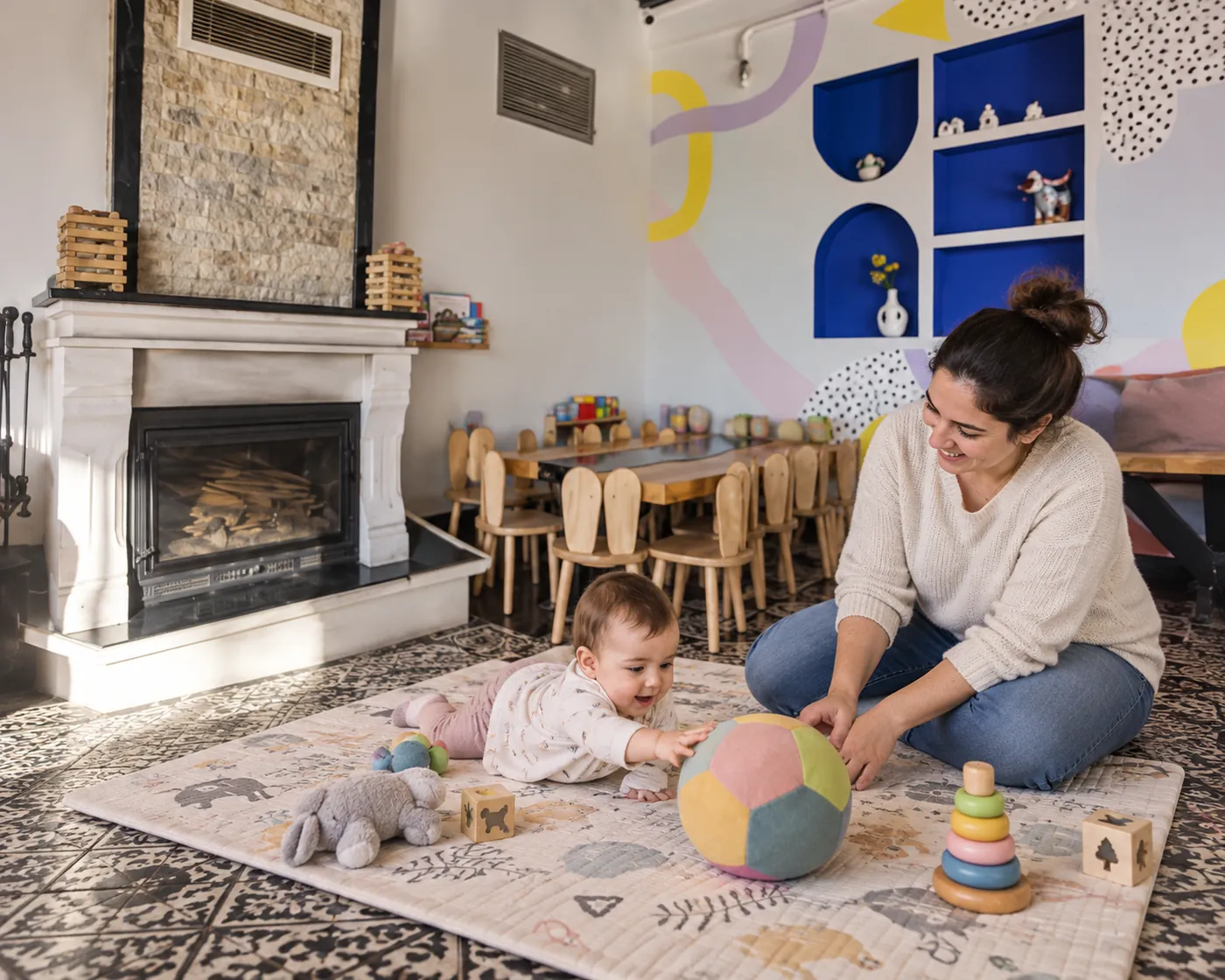
Look for a clean, uncluttered area, stable age-appropriate equipment and clear separation from running older children. Ask how shared items are cleaned and where mouthed toys are placed afterward. Avoid loose small parts, unstable piles and situations where a baby could fall from a height. An attractive social-media photograph cannot establish that a room is suitable.
Adult participation has a clear purpose
Find out who stays close to the baby and who supervises the whole group. A course leader should explain any handling before demonstrating it, ask for caregiver agreement and work within their qualifications. Do not pull a child into stretches, force a position or copy rolls and inversions from an online video. Stop activities that cause pain or distress.
How do baby and toddler groups differ?
A baby who is not yet mobile needs a different environment from a confident toddler moving around the room. Ask how the provider groups children and adapts activities. As one example of variation, the University of Calgary programme lists separate baby, walking-toddler and preschool classes. Those categories describe that provider; they do not establish a worldwide minimum age or endorse a particular local course.

Make the first visit manageable
Choose one realistic trial
For families in Istanbul, the journey may affect the experience as much as the timetable. Consider feeding, naps, changing facilities and the trip home. Arrive with enough time to look around without hurrying your baby. Bring the essentials and ask about the organiser’s illness policy. Treat the first visit as information gathering rather than a commitment to finish a whole term.
After the class, ask useful questions
Did the baby have opportunities to pause? Did the adult explain activities clearly? Was there enough room to participate without pressure? These observations are more informative than whether your child did everything another baby did. Write down one thing that worked and one question to ask before returning.
Did you know?
A programme can use the word gymnastics while mainly offering parent-child movement play. That wording can lead families to expect technical training or unusually fast milestones. Read the actual activity description and ask to observe. The AAP guidance on sports readiness distinguishes young children’s basic movement play from the demands of organised sport.
A gentle family outing after activity
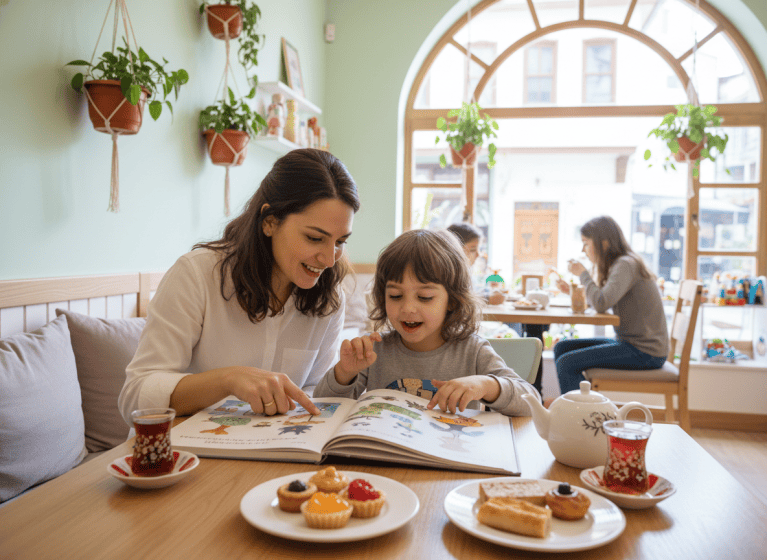
A visit to Filifu Cafe can be a separate family break if it suits your child’s energy and routine. Look at the cafe area before deciding whether to combine plans, and consult the Filifu blog for other family topics. The cafe is not presented here as a gymnastics school or a developmental clinic. Its play supervisors should not be treated as gymnastics coaches.

Frequently asked questions
At what age should a baby start gymnastics?
There is no single required age. First clarify whether the offer is gentle parent-child play or technical training. Check its activities against your baby’s current abilities and ask a clinician if there are individual concerns.
Does my baby need a class to learn to move?
No. Safe, supervised everyday exploration provides many opportunities. A suitable group may be enjoyable for a family, but enrolment is not a prerequisite for normal development.
Can I practise stretching with my baby?
Do not force stretches or positions. This guide does not prescribe exercises or hands-on techniques. Ask an appropriately qualified professional for individual guidance if a movement concern needs assessment.
What if my baby cries during a trial?
Pause and respond to their needs. Check tiredness, hunger and overstimulation. A suitable organiser should allow you to comfort your child or leave rather than insisting on completing an activity.
Are babies who begin earlier better gymnasts later?
A class starting date cannot predict later sporting ability. Enjoyment, changing interests and many later experiences matter. Avoid choosing infant activities around promised competitive advantage.
How should I compare two providers?
Compare qualifications, group organisation, handling practices, hygiene, opportunities for breaks and how questions are answered. Observe a session if possible and favour clear explanations over dramatic before-and-after claims.