
Your child was looking forward to nursery at breakfast, then clings to you at the door. That sudden change can be confusing, especially when work starts soon. A useful plan looks beyond whether there were tears. Ask whether your child can accept comfort, recover and participate after you leave. The aim is a safe transition supported by familiar adults, not a performance in which a child must appear cheerful to protect a parent’s feelings.

Find out what happens after the goodbye
Separation distress is common in young children. The NHS describes it as particularly common from around six months to three years, but this is not a deadline after which all tears become abnormal. A new nursery, unfamiliar language or change of caregiver can make a transition difficult at other ages too. NHS: Separation anxiety
Ask for a short, specific account from staff. Did your child settle with a particular adult? Did they drink, eat, use the toilet and join any play? Were they quiet but withdrawn, or comfortable and curious? A photograph of a smiling moment cannot tell you how an entire morning felt. Regular conversation usually gives a more useful picture.
Create a small goodbye ritual with a clear ending
Choose a sequence you can repeat
For example, put the coat on its peg, share a hug, then wave to the teacher together. Give a limited choice within that sequence: a high five or a wave. Avoid promising to stay until your child never feels sad, because that makes departure depend on a feeling neither of you can switch off.
A phrase to try
“You wish I could stay. Your teacher will help you now. I will come back after lunch.” Use a return marker your child understands and can rely on. The American Academy of Pediatrics recommends brief, consistent goodbyes and keeping promises about returning. These principles can be adapted to your family without copying somebody else’s ritual. American Academy of Pediatrics: Separation anxiety
Do not disappear secretly. Check that a responsible adult has taken over before leaving. If an agreed comfort object is allowed, choose something age-appropriate and safe. A family photo may work better than a favourite toy that could get lost; some children prefer neither. Ask the setting about its safety and rest-time rules.
Make the handover a joint plan with nursery staff
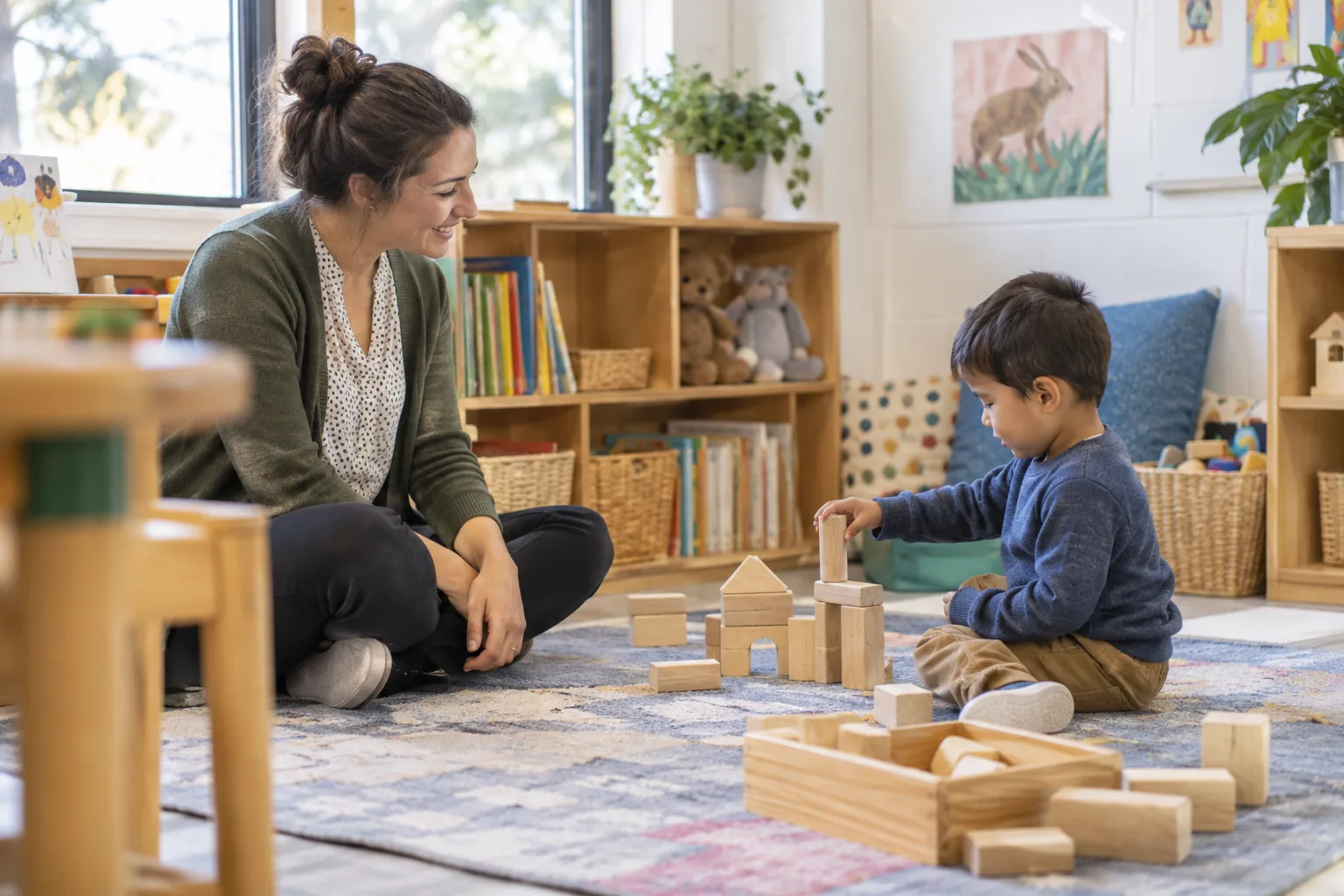
Describe what helps your child when they are upset: sitting nearby, a familiar book, a quiet space or hearing their feelings named. Discuss whether a consistent key person can greet them. Where feasible, agree an introduction that moves from short visits to longer stays. There is no universal number of sessions that proves readiness.
For multilingual families in Istanbul, share the words your child uses for help, water, pain and the toilet. A child might know the activity but not understand a hurried instruction in a new language. A few picture cues can support the transition. This does not mean the home language should be abandoned.
At home, play a brief arrival-and-return story with toy figures. One adult figure leaves, another stays, and the parent returns at the agreed point. Let your child change the story or show you a worry. This is an optional rehearsal, not a treatment or a test. Keep the rest of the evening ordinary rather than making nursery the subject of every conversation.
Watch for a pattern that needs more support
Seek advice if distress is persistent, increasing or interfering substantially with eating, sleep, attendance or family life. A paediatrician or qualified child mental-health professional can help identify whether anxiety, developmental needs, illness or something about the setting requires attention. NHS guidance emphasises impairment and continuing distress when deciding to seek help. NHS: Anxiety in children
Take a child’s report of being hurt, threatened or afraid of a particular person seriously. Listen without suggesting answers, record their words accurately and prioritise safety. Do not label every concern “normal separation anxiety”. Equally, a difficult goodbye alone does not establish that a nursery is unsafe.

Did you know?
A short goodbye and an unresponsive goodbye are different. The guidance on consistency sits alongside warmth, clear communication and a caregiver who remains available. A child can feel sad about parting and still experience dependable care; judging only the number of tears misses that distinction. American Academy of Pediatrics: Separation anxiety
Frequently asked questions
Should I leave if my child is crying?
A safe handover can include tears, provided a responsible adult is actively supporting your child and you have an agreed plan. If distress remains intense throughout the session, review that plan. Simply walking away from an unsupported child is different from a brief, caring goodbye.
How many days should settling in take?
There is no reliable deadline that fits every child. Look for gradual changes in accepting comfort and joining activities. If the pattern is worsening or disrupting daily functioning, request a review instead of waiting for a particular number of days to pass.
Can another parent do the drop-off?
Yes, when practical. Explain the change beforehand and keep the steps predictable. Avoid presenting one parent as the cause of anxiety. The useful question is which arrangement gives the child and staff a consistent, calm handover.
What if my child cries again when I collect them?
Reunion can release feelings held during the day. Offer connection and basic comforts before asking many questions. This reaction alone does not show that the whole day was distressing; compare it with staff observations and the child’s wider pattern.
Should I return to the classroom to check?
Unplanned repeated returns can restart the goodbye. Agree another way to obtain an update from staff. If staff ask you to return because your child is unwell or cannot be supported safely, follow that plan rather than treating consistency as an inflexible rule.
Does promising a treat help?
A large reward for “no crying” can make understandable feelings seem like failure. Notice a useful action instead: asking a teacher for help or choosing a book. Your child should know that your affection does not depend on a tear-free morning.
Why is Monday harder than Friday?
A break in routine can make the sequence feel less familiar again. Illness, poor sleep and changes at home may also matter. Return to the agreed ritual and share relevant information, while checking for specific problems if the change is marked.
What can I ask the nursery at a review?
Ask who comforts your child, which situations are hardest, whether basic needs are met and what changes will be tried. Agree when to review progress and how concerns will be shared. A concrete plan is more useful than reassurance with no observations behind it.
Related reading
- When a Child Struggles Socially
- Helping your child find their voice in Istanbul: Turkish and the language of home
Sources
For general information; this does not replace an individual assessment.
Bir yanıt yazın