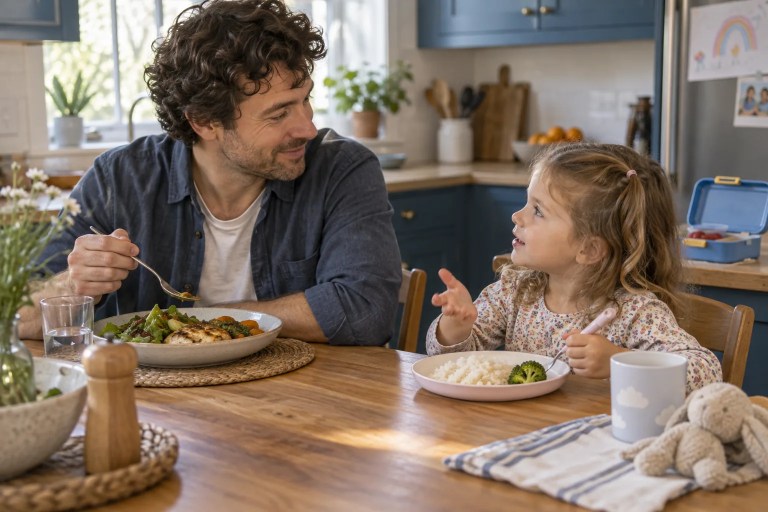
Is my child being bullied? A parent’s guide to listening and a safer school day
A child who once talked all the way home now says school was “fine” and changes the subject. Their lunch box returns untouched, or a favourite activity suddenly feels impossible. These changes deserve curiosity, but they do not establish that bullying is happening. Begin with a calm conversation and a willingness to listen more than once.
For families living in Istanbul, attending an international school or moving between education systems, unfamiliar reporting procedures can add uncertainty. The useful starting point is the same: describe what happened, understand the child's experience and identify an adult who can help make the next school day safer. This guide is general information, not an assessment of any individual child.
What makes an incident bullying?
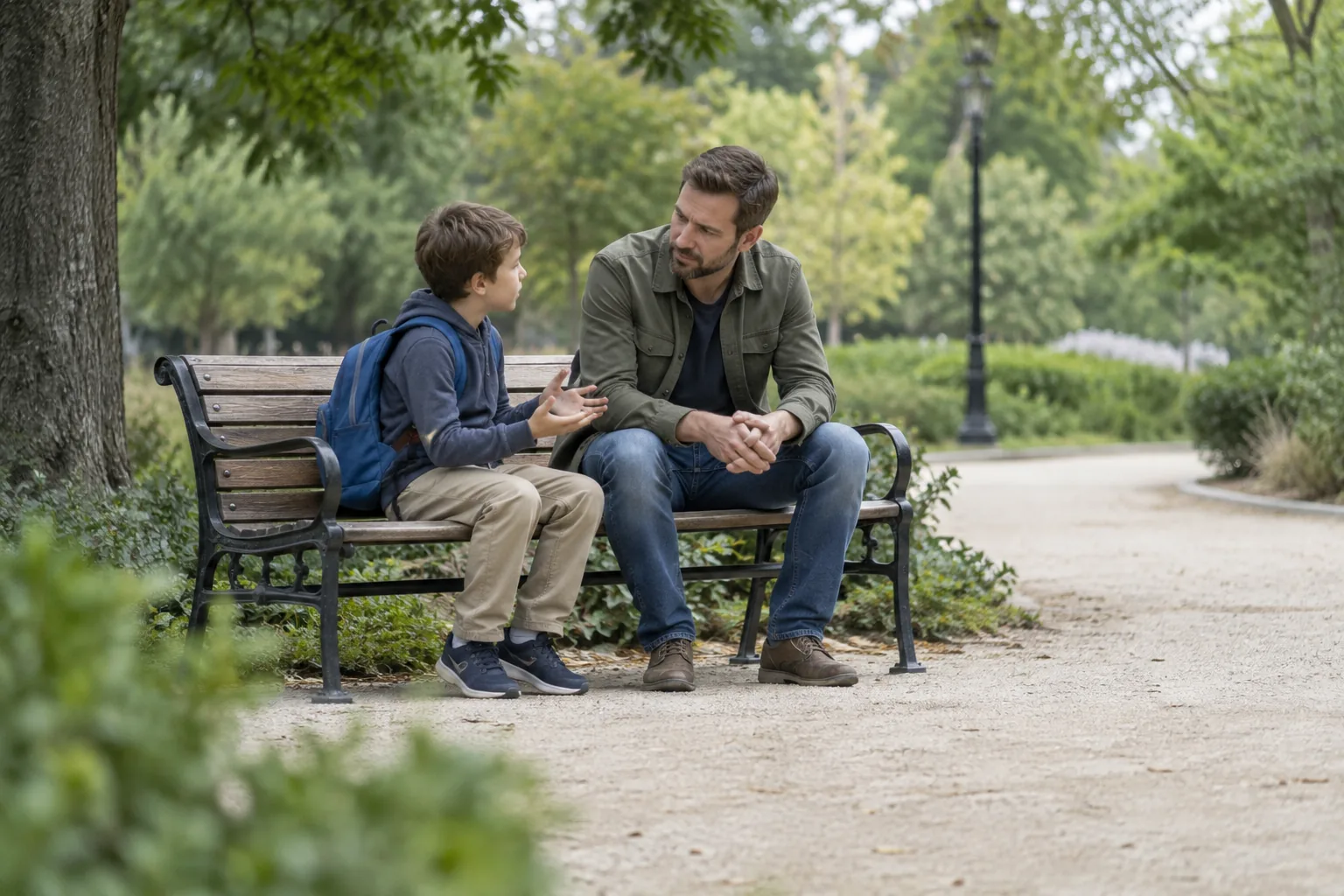
Bullying involves unwanted aggressive behaviour, a real or perceived imbalance of power, and repetition or the potential for repetition. Power may come from physical size, popularity, access to private information or the ability to exclude somebody from a group. Two friends disagreeing about a game are not automatically in a bullying relationship. A single serious assault nevertheless needs immediate action; nobody should wait for a second incident to take safety seriously. [1]
Look beyond physical aggression
Name-calling, threats, deliberately damaging belongings and organised exclusion can matter as much as visible pushing. Online harassment can follow a child home through messages, posts or group chats. Ask about the experience rather than assuming you understand it from the name of an app. “How do people treat each other there?” may open a more useful conversation than “Are you using that app again?” [1][5]
A low-pressure opening
Try: “I noticed you haven't wanted to talk about break time lately. Has anything been difficult?” Leave space for an answer. If the child says no, you can reply that you are available whenever they want to talk. Repeated interrogation can make disclosure harder, even when the parent's intention is protective.
Possible signs are clues, not proof
Unexplained injuries, missing possessions, a sudden loss of friends, disrupted sleep, reluctance to attend school or negative comments about themselves may indicate a problem. They can also have other explanations. Some bullied children show few obvious changes. Consider the pattern and the child's account rather than counting symptoms on a checklist. [2]
Make a short factual record if concerns continue. Separate your observations from what the child reports: “Cried before school on Tuesday” is different from “Nobody in the class likes him.” Record dates, locations and the child's own words where possible. Do not fill gaps in memory or press them to identify an offender before they feel able to speak.
What to say when your child tells you
Thank them for telling you. Say clearly that being targeted is not their fault and that adults will help. Listen without demanding that they explain why they did not fight back, leave earlier or report sooner. Advice such as “just ignore it” can sound like dismissal when the child already feels powerless. [3][4]
Avoid promising total secrecy. Explain that you may need to involve another adult to keep them safe, and that you will discuss the next step with them wherever possible. Ask which staff member they trust and what they fear might happen after reporting. Their preferences matter, although adults remain responsible for responding to serious danger.
Build a school plan that can actually be used
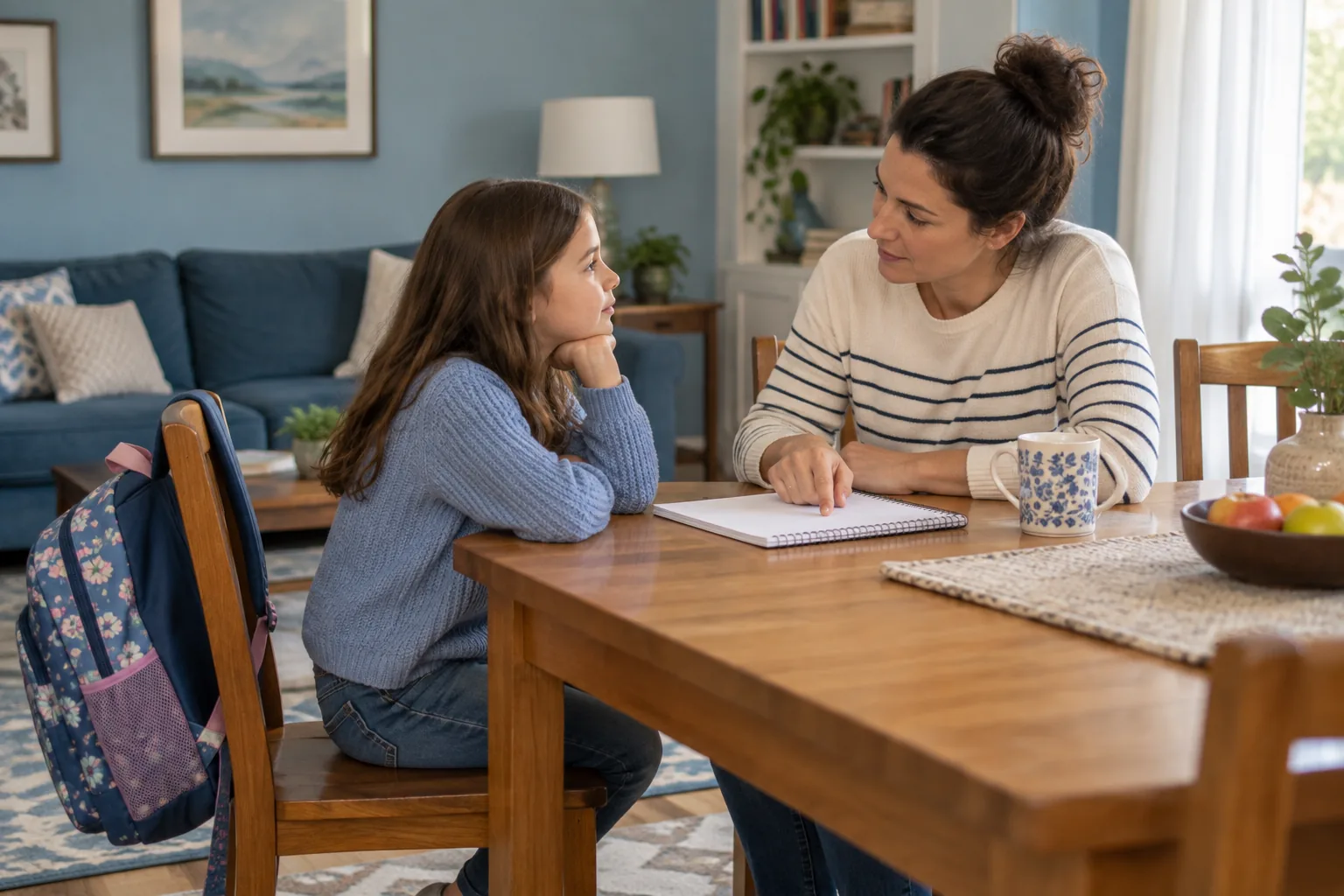
Contact the relevant teacher or safeguarding staff with concrete details. Agree who the child can approach, how supervision will work during difficult parts of the day, and when the adults will check progress. A plan that says only “tell someone if it happens again” may fail when the trusted adult is unavailable or the child fears being seen reporting. [3]
Do not assume the targeted child should move classes or give up an activity. Avoid forcing an immediate face-to-face reconciliation. Mediation designed for equal disagreements can misrepresent a situation involving unequal power. Work through the school's process rather than confronting another family in anger, and do not encourage retaliation. [3]
Review the experience, not only the incident count
An agreed follow-up date helps everyone assess whether the plan is working. Ask where the child felt comfortable, whether they could reach their named adult and what still felt difficult. A quiet week does not necessarily mean the child feels safe. If problems continue, use the next stage of the school's reporting procedure and revise the plan with the child.
Responding to cyberbullying
When safe, preserve relevant messages, dates and account details. Avoid forwarding humiliating material to a large parent group. Use reporting and blocking tools and review account security together. Taking away a device automatically as punishment may make a child reluctant to disclose future incidents. The aim is to reduce harmful contact while keeping supportive communication available. [5]
Did you know?
Children may stay silent because they feel embarrassed, fear retaliation or worry that adult intervention will make things worse. Not asking for help is therefore not evidence that the experience is minor. Regular, relaxed conversations can make it easier to speak before a crisis develops. [2][4]

Frequently asked questions
Is every unkind joke bullying?
No. Context, power and repetition matter. However, a hurtful act can still require a boundary and adult attention even before anybody agrees on a label. Describe what was said or done and how it affected the child rather than debating terminology first.
What if my child will not talk?
Offer another setting, such as walking side by side, writing a note or speaking with a trusted adult. Let them know they are not in trouble. Avoid interpreting silence as dishonesty. Return to the invitation later while staying attentive to immediate safety concerns.
What if the school calls it normal teasing?
Share specific examples and ask how staff will observe the situation, respond to another incident and communicate with you. Request a clear follow-up process. If the concern remains unresolved, use the school's escalation route. The solution should not depend solely on the child becoming more tolerant.
Should I teach my child to defend themselves?
Practise a brief boundary phrase, moving to a safer place and finding adult help. Keep role-play voluntary and short. These are useful options, not a guarantee or a test the child must pass. Responsibility for stopping bullying remains with adults and the wider school community.
What if my child is hurting other children too?
Stop the harmful behaviour and explain its impact without defining the child permanently as a bully. Work with the school to understand circumstances, teach alternative responses and protect those affected. Supporting your own child and holding them accountable can happen together. [3]
Will more friendships solve the problem?
Supportive relationships can help a child feel connected. An enjoyable activity may be one part of recovery, but friends cannot replace a school's safety response. Avoid making the child join groups they dislike as a condition for receiving help. Follow their interests and comfort level.
When is professional help appropriate?
Seek advice when distress, sleep difficulties, school avoidance or persistent sadness interfere with daily life. A child health or mental health professional can assess broader needs. Statements about self-harm, serious threats or immediate danger require urgent help and the presence of a trusted adult.
How can a multilingual family handle a school meeting?
Use the language in which the child can explain events most comfortably. Ask the school about suitable interpretation support if needed; the child should not be the sole interpreter of their own safety concern. Keep the discussion focused on behaviour and protection rather than assumptions about nationality or home language.
Related reading
Sources
- StopBullying.gov — What is bullying
- StopBullying.gov — Warning signs
- StopBullying.gov — Support the children involved
- UNICEF — Tips for parents of bullied children
- UNICEF — Cyberbullying
Sources checked on 26 September 2026. This article offers general information and does not replace an assessment of your child.