My Child Keeps Spitting: Understand the Pattern Before Reacting
“My child keeps spitting” can describe very different things. A toddler may spray saliva during a game, spit when angry, push unfamiliar food out or bring milk back up after feeding. Before choosing a parenting response, describe what you actually see. A boundary may help with deliberate spitting at people, while repeated difficulty managing food or saliva may need professional assessment. Assuming every incident is misbehaviour can miss an important need.
First distinguish the situations
Observe whether saliva, food or milk is involved, whether the action seems linked to an interaction and whether your child appears uncomfortable. The AAP information on infant spit-up describes regurgitation during infancy; this is not the same as a child intentionally spitting at someone. A behaviour chart is not an appropriate way to punish an involuntary feeding symptom.
Repeated coughing or choking with meals, pain, difficulty swallowing, poor weight gain or concerns about hydration need clinical advice. The NHS swallowing guidance identifies symptoms that warrant assessment. Do not independently thicken drinks or remove major food groups to solve the problem. If a child cannot breathe normally or has a severe acute episode, call 112 in Turkey and follow emergency instructions.

Respond to spitting at people
Protect and set a short boundary
Move close, create enough space to prevent another incident and say something simple: “I will not let you spit on people.” Keep your tone steady. Avoid a dramatic audience, insults or retaliatory spitting. Attend to anyone affected and clean the area appropriately. The child can help with a simple suitable task when calm, without being shamed or made to perform a punishment.
Offer something to do instead
If the child is angry, model “stop”, a hand gesture or asking for help. If they want to leave, teach a clear request for a break. If they are experimenting with mouth sounds, redirect to a different safe game without making spitting at others entertaining. The alternative needs to match the situation; saying “be good” does not explain a usable next action.
Keep a brief pattern log
For several ordinary days, note when it happens, what immediately precedes it and how adults respond. Include meals, transitions and busy settings where relevant. A useful entry might be “spat after being asked to put the toy away; adults argued for several minutes”. This does not prove a motive, but it suggests that the transition and the adult response deserve attention.
Choose one manageable change. Give a clear warning before leaving, reduce a crowded activity or practise a break request when everyone is comfortable. Avoid changing five rules at once, because you will not know what helped. Share the same short plan with other caregivers, then compare observations rather than competing over who is stricter.

At the table, remain curious
Food rejection is a different conversation
If spitting occurs during eating, consider whether the bite was too large, the texture unfamiliar or the child uncomfortable. Stay calm and avoid forcing food back into the mouth. Offer a hygienic way to remove food and discuss recurring concerns with a clinician or qualified feeding professional. Do not label a child manipulative because they cannot yet manage a particular texture.
When the pattern changes suddenly
New pain, illness, medication changes or a loss of previously comfortable eating skills are reasons to seek advice. A video taken respectfully and privately may help a clinician understand an episode, but it should not be shared for public judgement. Record the context without delaying care when symptoms are urgent.
Did you know?
The word spitting describes an action, not its cause. Two children doing something that looks similar may need completely different responses. The NHS parenting guidance encourages consistency and attention to context. Consistency means a predictable supportive response, not applying the same consequence to a health symptom and an intentional social action.
Family visits with a practical plan
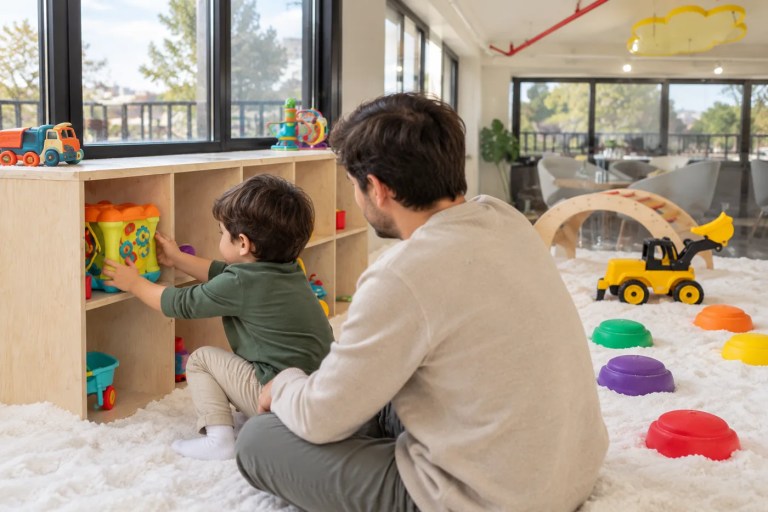
Before a visit to Filifu Cafe, choose a suitable length of stay and agree on how your child can request a pause. Explore the cafe area and keep tissues and personal supplies available. If spitting affects others, intervene promptly and coordinate cleanup with staff. Additional reading is available in the Filifu blog. Play supervisors can help with the immediate setting; they do not diagnose swallowing or behavioural conditions.

Frequently asked questions
Should I ignore spitting completely?
Do not ignore effects on other people or hygiene. Set a brief boundary and respond without creating a dramatic confrontation. Also check whether the action is connected to food, pain or an involuntary symptom.
Is spitting always attention seeking?
No. Context may include frustration, experimentation, food difficulty or a medical issue. Observe before assuming a motive. A professional can help when the pattern remains unclear or troubling.
Should my child clean everything as punishment?
A calm, age-appropriate contribution to cleanup can be practical. Avoid humiliation or demanding tasks beyond their ability. Adults remain responsible for adequate hygiene and for helping the child learn an alternative.
What if my child spits out new food?
Do not force the food back in. Offer a hygienic way to remove it and observe comfort and texture. Persistent difficulty, pain, coughing or concerns about growth need professional advice.
Can I use the same plan at nursery and home?
A shared short boundary and replacement skill can help. Ask staff to record the circumstances consistently. Adjust the plan when new information suggests that feeding or health assessment is needed.
When should we get help?
Seek advice for persistent disruptive spitting, major family stress or uncertainty about the cause. Swallowing difficulty, pain, poor growth or breathing symptoms warrant clinical attention; severe breathing difficulty is an emergency.