
Twisting a lock while someone reads aloud is one thing you might notice. Finding broken hairs, sore skin or a thinning patch gives you more information. Some children pull without recognising the moment it starts. Ask what they feel and note what they were doing when you saw it.
Start with observations and a private conversation
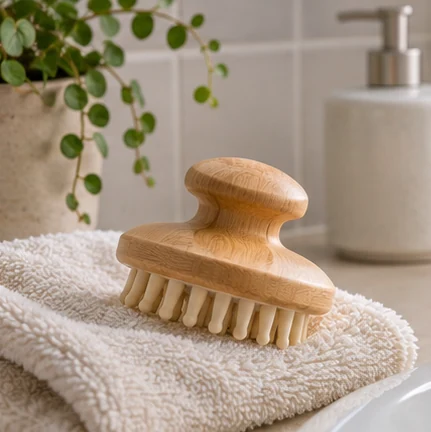
Try asking about what happens while they read, watch a show or get ready for bed. Mention what you saw without accusing them. If they want something to do with their hands, let them choose a large, age-appropriate object for the activity where pulling happens most. Keep any reminders discreet and agreed.
Arrange a check if hair is coming out
Tell your child's clinician if you see patches, broken hairs or damaged skin, or if pulling is hard for them to stop. Mention any itching or flaking. Hair loss has several possible causes and an examination can guide what happens next. Recurrent pulling that causes hair loss or distress can be associated with trichotillomania. A clinician can advise whether specialist behavioural support, including habit reversal training, is appropriate.
Get medical advice promptly if your child swallows their hair, which can collect in the digestive tract. Severe stomach pain or repeated vomiting needs urgent assessment.
Frequently asked questions
Is all hair twirling hair pulling?
No. Notice whether hair comes away or the scalp becomes sore.
Do children always know they are doing it?
Some notice only afterward. You can agree on a quiet cue if they welcome one.
Does pulling always mean they feel anxious?
No. It can happen while relaxing or concentrating as well.
When should I ask for help?
Ask if you notice hair loss, damaged skin, persistent pulling or distress.
What belongs in a short record?
Write the activity, time, whether any hair came out and whether you saw them swallow it.
Sources
Türkçe · Deutsch · English · Français · 简体中文 · 日本語 · 한국어 · العربية
Bir yanıt yazın