
You find a curl on the bathroom floor and notice a gap in the fringe. Put the scissors safely away and check for an injury. Then ask what your child meant to do. They may have been copying a haircut, testing the scissors or trying to remove hair from their eyes. A short, open question gives them space to tell you.
Ask what they wanted to change
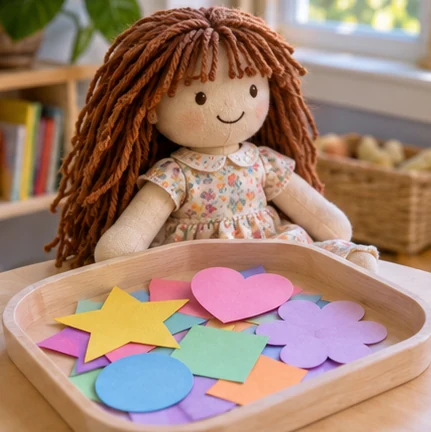
Try “I see you cut a bit here. What were you trying to do?” If the hair was bothering them, offer a clip or arrange a trim together. If they were playing salon, give them a brush and a doll to style. State the rule in terms of what they can do. Scissors stay at the craft table, where an adult can watch them cut paper.
Give them a supervised way to practise
Choose age-appropriate blunt-tip scissors. Sit beside them and start with a wide strip of paper they can manage. When the craft is finished, put the scissors away. Store adult scissors, razors and cutting tools out of reach.
Apply firm pressure with a clean cloth to a cut that is bleeding. Get urgent help for a deep wound, bleeding that continues despite pressure or an eye injury. If your child repeatedly takes unsafe tools, pulls hair out or has unexplained bald patches, bring it up with their clinician.
Frequently asked questions
Is one DIY haircut a sign of a wider problem?
One incident alone tells you little. Check for injuries and find out what they were trying to do.
Should I fix their haircut immediately?
You can wait. A simple clip or a later salon visit can help if your child wants a change.
Can my preschooler use scissors at all?
Use age-appropriate craft scissors with an adult supervising at the table.
How can I prevent another incident?
Keep cutting tools out of reach and show your child what to do when hair bothers them.
Is cutting hair like pulling it out?
They are different actions. Ask for help when pulling recurs or you notice hair loss.
Sources
Türkçe · Deutsch · English · Français · 简体中文 · 日本語 · 한국어 · العربية
Bir yanıt yazın