
If your child's mouth falls open while they have a cold, check what happens when their nose clears. If you see it most nights even when they're well, look for a pattern in their breathing and their energy the following day. A brief look at bedtime tells you less than how their sleep changes over time.
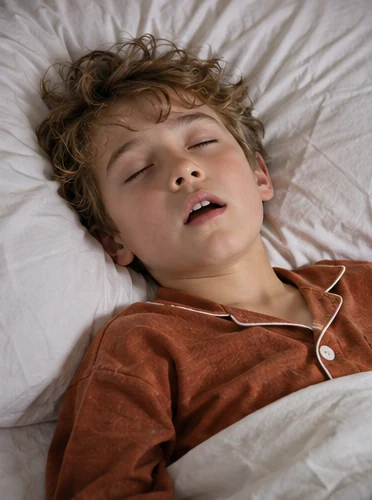
What might make nasal breathing harder?
A cold or allergies can block the nose. Enlarged adenoids, which sit behind the nose, can also contribute. Enlarged tonsils and adenoids can narrow the airway during sleep in some children. A clinician can assess these possibilities, using what you notice at home alongside an examination.
Try describing one specific change. For example, “She used to breathe quietly once the cold cleared. This month she snores even on nights when she can breathe freely through her nose.”
Which signs should you discuss with a clinician?
Call your child's clinician if you regularly hear loud snoring, notice breathing pauses or hear them gasp after a pause. Mention frequent waking and whether your child seems unusually tired or has difficulty concentrating in the day. If you write a note, include when the symptoms began, how many nights they occur and whether a blocked nose was present.
Keep their mouth uncovered. Taping it shut or trying to hold it closed does not address the underlying problem. Get emergency help straight away if your child is struggling to breathe, has blue lips or is unresponsive.
Frequently asked questions
Is a few nights of mouth breathing during a cold concerning?
If your child is otherwise breathing comfortably, check again when the cold has cleared. Seek advice if the pattern continues or other symptoms appear.
Does an open mouth mean sleep apnoea?
An open mouth alone cannot establish the diagnosis. Breathing pauses, snoring and daytime symptoms help determine what assessment is needed.
Can enlarged adenoids be seen at home?
They are behind the nose, so looking into the mouth will not show them. A clinician can decide how best to assess them.
Do all children need a sleep study?
A clinician considers whether a study would help, based on symptoms, medical history and examination.
What should I write in a sleep diary?
Record when you noticed the breathing pattern, how often it happens, any snoring or pauses and how your child seems the following day.
Sources
Türkçe · Deutsch · English · Français · 简体中文 · 日本語 · 한국어 · العربية
Bir yanıt yazın