
The sound can be loud enough to hear from the hallway, even when your child sleeps through it. Grinding or clenching the teeth is called bruxism. Children can do it while awake or asleep. The volume tells you little about tooth wear. What your child feels in the morning, and what a dentist finds, are more informative.
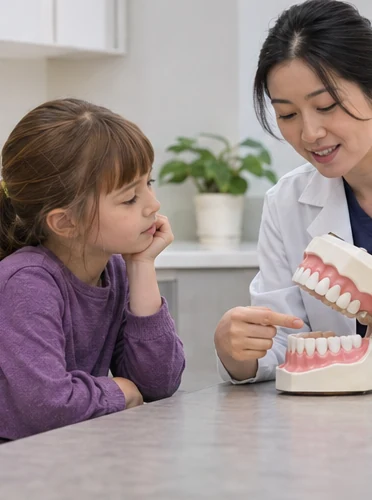
Notice what happens at breakfast
Does chewing seem uncomfortable? Does a cold drink make a tooth hurt? Is the jaw sore or tired when they wake? A younger child may show you by chewing on one side or choosing softer foods. Call their dentist if there is visible damage, recurring pain or sensitivity, or frequent grinding. Bring up morning headaches if they happen alongside jaw discomfort.
Watch for clues beyond the teeth
Loud regular snoring, gasping, breathing pauses or unusual daytime sleepiness should go to your child's clinician. Stress and disrupted sleep can occur alongside grinding, though hearing the sound cannot tell you why it is happening. A short note about when it happens, how often and how your child feels can help both the dentist and the clinician.
Ask before trying a night guard
Some children need dental protection, depending on the examination. Teeth may be coming in or changing position as the child grows, so ask a dentist before fitting a shop-bought guard. Mention any medicines they take and speak to the prescriber before making changes.
Frequently asked questions
Is one noisy night a problem?
If your child feels fine and it was an isolated event, watch for a pattern. Pain, sensitivity or frequent episodes deserve a dental check.
Should I wake them to stop the sound?
You usually do not need to wake them just because you hear grinding. Pay attention if breathing sounds difficult or repeatedly pauses.
Can sleep grinding cause a headache?
Headaches can occur with bruxism. A clinician can help assess recurring headaches, especially if you also notice morning jaw soreness.
Does a child need braces because of grinding?
Grinding alone does not tell you what treatment, if any, your child needs. Discuss options and tooth development with their dentist.
What should I tell the dentist?
Mention how often you hear it, jaw or tooth discomfort, changes in chewing, and any grinding or clenching you see during the day.
Sources
Türkçe · Deutsch · English · Français · 简体中文 · 日本語 · 한국어 · العربية
Bir yanıt yazın