
Your child may ask whether there will still be room for their toys or who will collect them from school when the baby comes. Saying they do not want a sibling can be a way of voicing those worries. Listen before explaining how they should feel. Ask which part they most want to know about.
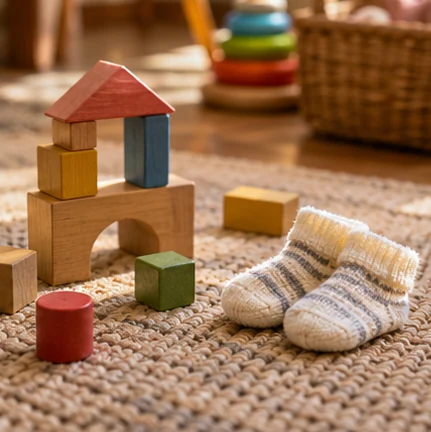
Give them a picture of the first days
Tell them who will look after them during the birth if you know. Explain that newborns sleep, feed and cry, and will need time before they can play. Offer an optional way to join in, such as picking a book for the baby. Let them watch without holding the baby or helping with care if that is what they prefer.
Build in a small piece of time that belongs to them
A short game after nursery or a story with the same adult can give the older child something to count on. Ask visitors to greet them and talk about their interests too. If they want more help or reassurance than usual, respond calmly and keep routines manageable.
Move between the children if an older child tries to hit the baby. You can say, “You’re angry. I’ll keep the baby safe.” Supervise young children around a newborn. Ask a clinician or child mental health professional for support if aggression, withdrawal or distress stays intense or becomes a safety concern.
Frequently asked questions
Will my child always feel this way?
Feelings can change as they adjust. Give them time and a chance to get to know the baby.
Should I say their new sibling can play with them?
Explain what a newborn can do now and what may change as they grow.
Do they have to hold the baby?
No. Invite without pressure and supervise any contact.
What if they ask for help with things they already know?
Offer reassurance and support the routine gently. Mention ongoing changes to their clinician if they concern you.
What if they try to hit the baby?
Step in immediately. Keep both children safe and talk once the older child is calm.
Sources
Türkçe · Deutsch · English · Français · 简体中文 · 日本語 · 한국어 · العربية
Bir yanıt yazın