Phenylketonuria (PKU)
Phenylketonuria (PKU)
PKU management uses early diagnosis, personalised phenylalanine control and regular blood monitoring. Sepiapterin is an option approved in the United States for responsive patients and does not replace specialist planning.
Phenylketonuria (PKU) requires individual information, not a universal promise. This article is general education and is not a diagnosis, prescription or substitute for a clinician. Filifu Cafe is mentioned only as a family venue; its café, play and salt-room facilities are not medical treatment.
Did you know?
Newborn screening can identify phenylketonuria before a baby shows obvious symptoms, which is why follow-up matters. A screening result is not a diagnosis: clinicians confirm it with further testing. A child’s safe phenylalanine allowance is individualized and can change with growth, so families should not alter food limits or medical formula without the metabolic care team. Source

What should families know first?
Look at the child’s whole pattern over time: communication, play, daily routines, sleep, school observations and changes from the child’s own baseline. One online checklist, food, room or activity cannot explain every situation. Write down when a concern appears, what happens before it and what helps.
Families living in Istanbul can ask their paediatrician or relevant specialist which assessment is appropriate. Ask what each test measures, when results will be reviewed and how the plan will be adjusted. Do not change medicine, diet, supplements or therapy from a blog post.
Evidence, limits and respectful language
Health pages can simplify a study into a promise. Read the population, comparison, outcome and follow-up period. A measured change is not the same as a cure, and an enjoyable visit is not a clinical result. Avoid language that blames a child or family.
Practical questions for Filifu Cafe
Before a visit, ask about opening hours, crowding, noise, lighting, breaks, toilets, staff communication and how to leave quickly. These are planning questions, not a medical clearance. A child can say no, pause or choose another activity.
How can a family prepare?
Use a short, predictable plan: explain the order of arrival, seating, play and departure; bring familiar comfort items; and agree on a quiet break. Observe the child’s signals instead of forcing eye contact, conversation, food or participation. If distress, pain, breathing difficulty or developmental regression occurs, contact a health professional.
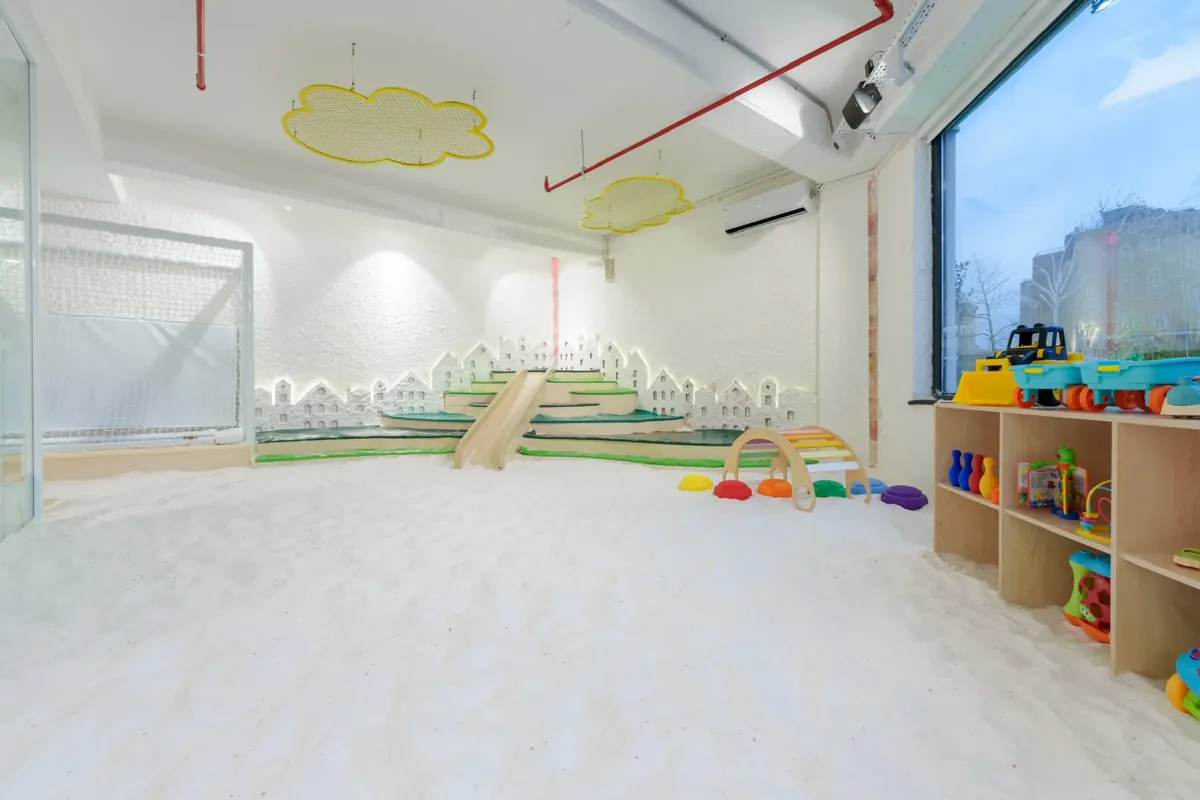
Filifu’s actual venue details can change. Confirm current rules with the business and do not infer hygiene, accessibility or clinical suitability from photographs. The owner’s operational information is useful for planning but is not an independent medical assessment.

FAQ: Frequently asked questions
Does this article diagnose my child?
No. Diagnosis requires a professional developmental or medical assessment using the child’s history and observation.
Can a café or salt room treat the condition?
No. A café visit may be a social or family experience; it does not replace medical care, therapy or an individual care plan.
When should we seek help?
Arrange an appointment when concerns persist, interfere with daily life or include loss of skills. Seek urgent care for acute safety or medical symptoms.
Sources and review date
Sources: institutional health guidance and additional clinical information. Reviewed 22 September 2026.
Filifu salt room information and Filifu Cafe area can be checked before a visit.