My Child Is Being Cyberbullied: What Can Parents Do?

What to do first when your child tells you
A simple response such as “Thank you for telling me. This is not your fault; we’ll work through it together” can protect trust. Let your child describe what happened in their own words. Avoid an interrogation, angry contact with the other child, or scolding them for being online. If they want, look at the situation together while keeping the device with them.
Preserve evidence and avoid escalating
Not replying, not forwarding the content and blocking the account are often useful first safety steps. If reporting may be needed, safely record screenshots, dates, times, usernames and links. Do not download or circulate intimate or sexual images. If sexual imagery of a child is involved, seek immediate professional guidance from local child-protection or safety authorities.
Contact the school and platform calmly
If classmates are involved, share dates and the impact with a teacher, counselor or school leader. Ask how the school’s bullying policy addresses online incidents. Report the behavior through the platform’s process and describe it clearly. Agree which trusted adults will help and when.
Keep an eye on your child’s wellbeing
Observe changes such as sleep difficulty, reluctance to attend school, strong anxiety, withdrawal or fear of online activities without judging. One sign alone does not establish a diagnosis, and bullying can happen both online and in person. For threats, blackmail, exposure of private information or sexual exploitation, seek appropriate local emergency, child-protection or law-enforcement help.
Did you know?
Cyberbullying can leave a digital record that may help with reporting. Preserving evidence should not mean making a child repeatedly revisit upsetting content.
Frequently asked questions
Should I take my child’s phone away after cyberbullying?
Taking it as punishment may make it harder for your child to tell you again. Listen first and make a safety plan; agree on limits later and explain them clearly.
Should we delete the messages?
Safely preserve information needed for a report first. Then help your child avoid repeatedly seeing upsetting content.
Should I contact the other child’s parents?
An angry confrontation can escalate the situation. Start with the school or platform process; if contact is needed, keep it calm and factual.
Does the school have responsibility for cyberbullying?
If classmates or school life are involved, report it under the school’s policy. Procedures and authority vary by location.
What if my child admits bullying someone online?
Discuss the impact, stop the behavior and consider repair such as removing a post or making an appropriate apology. Seek school or professional support if it repeats.
When should we seek professional help?
Talk with a pediatrician or mental-health professional if anxiety, sleep or school problems persist. Seek urgent help for threats or safety risks.
Does my child need to close all accounts?
Not always. Decide together whether blocking, privacy changes, a temporary break or closing an account best supports safety and social connection.
How can I approach a child who is embarrassed to tell me?
Have regular, nonjudgmental conversations and reassure them that asking for help will not lead to punishment. Offer another trusted adult too.
What if messages include threats or sexual content?
Protect your child immediately, report the content without forwarding it, and seek local child-protection or law-enforcement guidance.
Sources
- American Academy of Pediatrics — Cyberbullying: How to Help Prevent It
- UNICEF — Cyberbullying: What it is and how to stop it
- StopBullying.gov — Report Cyberbullying
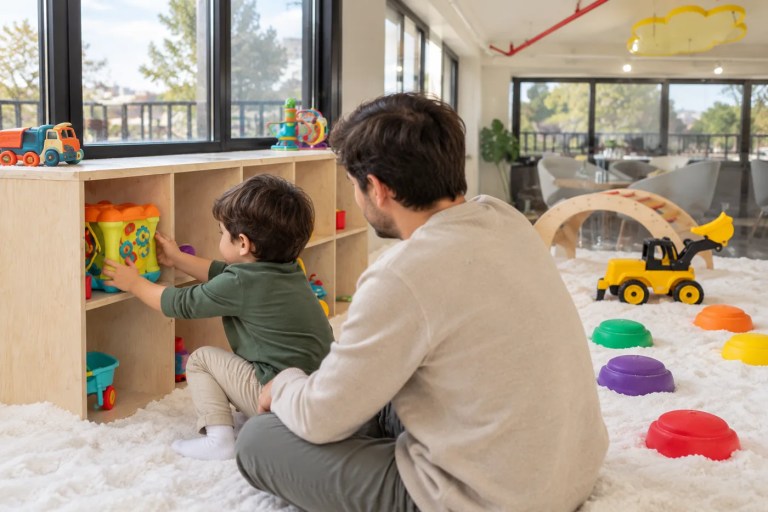
A parent supports a child after online bullying
Family screen-time plan · Is my child ready for social media?
Make the advice work for your family
Start with one small step
Review what works after a week
Choose one age-appropriate digital rule together and try it for a week. Discuss its effects on safety, sleep and daily responsibilities, then adjust if needed.
This is general information; contact local authorities in an emergency.