Does My Baby Enjoy Music? Notice Interest Without Predicting Talent
A baby pauses when a familiar lullaby begins. Another kicks during a song but stays still when a drum sounds. Parents naturally wonder whether these reactions reveal musical talent. They are useful clues to what a child enjoys at that moment, but they cannot tell us who will become a musician. The more helpful question is how to make room for enjoyable musical experiences while respecting the baby’s comfort and individual ways of responding.
Interest is something to observe, not score
Notice whether your baby seems to seek another verse, watch your mouth, make a sound after you or settle during a familiar melody. Responses can change with hunger, tiredness, noise and the person singing. An alert baby may look away to take a break. A still baby may be listening closely. Avoid creating a checklist in which one response earns more credit than another.
The 2021 study of musicality in infants and toddlers surveyed 174 German adults about behaviours they associated with musicality in children under three. It measured adults’ conceptions; it did not follow babies to predict later talent. Everyday participation and later trained performance are not interchangeable. No home observation here is a diagnostic test for exceptional ability.
Try a musical conversation
Begin with your voice
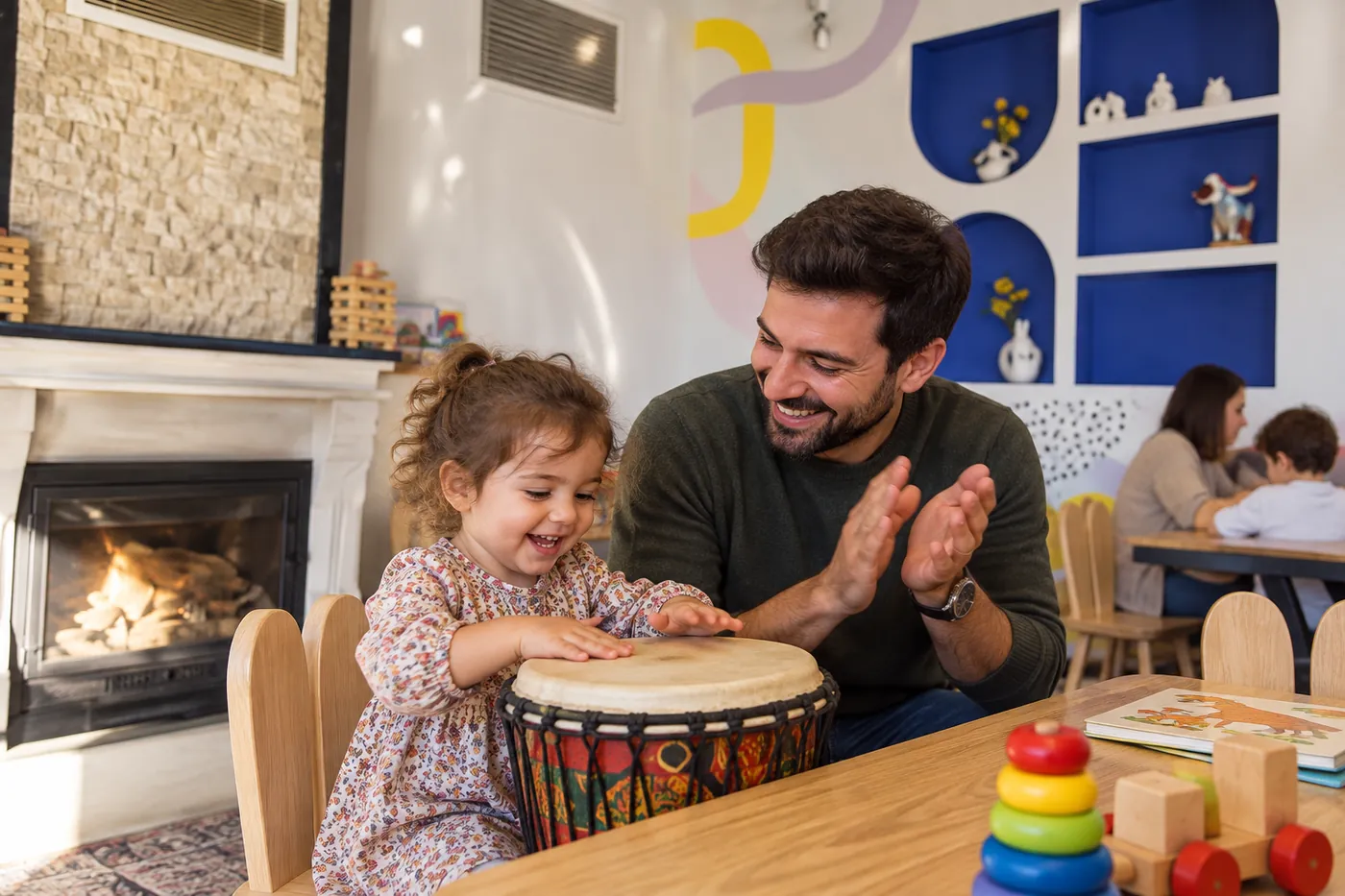
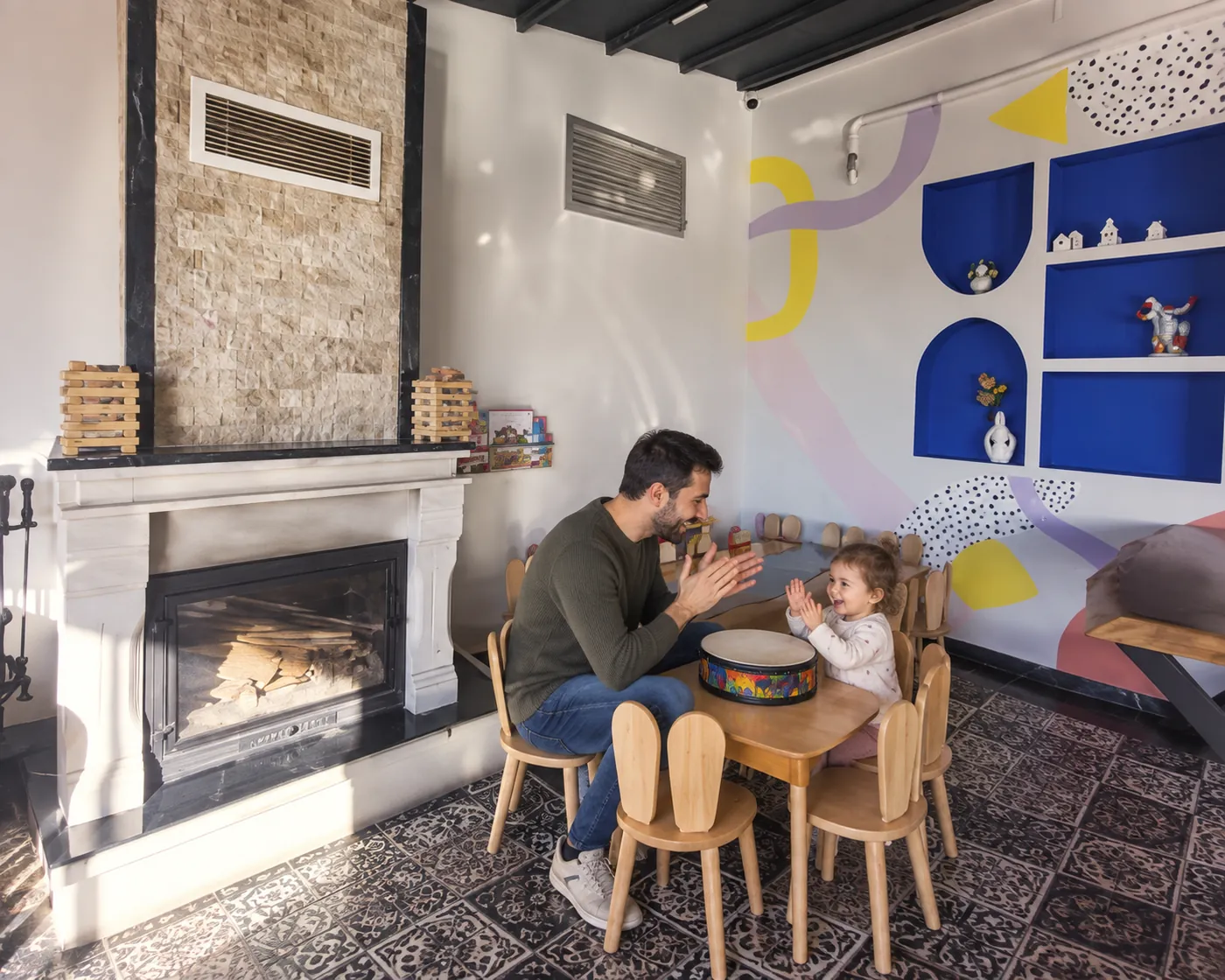
Choose a short song you know comfortably. Sing once, pause and watch what happens. If your baby makes a sound, you can respond with a similar gentle sound. You do not need an impressive singing voice, and you do not need to correct your baby’s pitch. The point is a shared exchange with space for both participants.
Make repetition flexible
A familiar song can become a small game when you pause before the final word. Your child might move, vocalise or simply wait. Offer the ending without demanding a performance. On another day, sing more slowly or use your child’s name. Stop if the baby becomes distressed; surprising changes are not enjoyable for every child.
Choose safe sounds and objects
Use age-appropriate instruments that have no detachable small parts. Keep hard objects away from faces and avoid homemade shakers that can open and release their contents. Gentle sound is enough. Do not put a phone speaker or noisy instrument beside a baby’s ear, and keep the environment comfortable enough for ordinary conversation.
What research can and cannot tell families
In a 2009 study of newborn beat perception, researchers measured brain responses to changes in rhythmic patterns. The findings concern early auditory processing; they do not provide a screening method for future professional musicians. A family should not use a reaction to one recording as proof of advanced development or lack of potential.
The Head Start guidance on music with young children offers musical interaction as part of family connection and early learning. That is a different goal from choosing an instrument before a child has expressed a sustained interest. Music can belong in daily life even when lessons are neither wanted nor available.

Build a small, realistic family routine
Give different people a turn
An English-speaking parent in Istanbul might sing one familiar song while a Turkish-speaking grandparent shares another. You can explain the story or movement without demanding word-for-word translation. Keep treasured family songs alongside new discoveries. A short live exchange can be more responsive than leaving a playlist running throughout the day.
When your baby prefers quiet
Turn the music off and offer calm companionship. Later, try a softer voice or a different time. Your child does not owe the family a musical reaction. If you are concerned that your baby does not respond to sounds more generally, discuss hearing and development with a clinician rather than increasing the volume to test them.
Did you know?
Moving during a song and matching its beat precisely are different observations. Adults may interpret any bouncing as rhythmic accuracy, although a baby may simply be excited. Enjoy the movement without awarding a talent label. A brief note about favourite songs can help relatives share enjoyable routines, but it should record preferences rather than rank abilities.
A family pause at Filifu Cafe
A picture book about instruments or a quiet finger-play can fit a family visit to Filifu Cafe when the child and surroundings suit it. Consider other guests and ask staff before using sound-making materials. See the actual cafe area and browse the Filifu family blog for more visit ideas. This suggestion does not mean the cafe provides music lessons or musical assessment.

Frequently asked questions
Does dancing as a baby prove musical talent?
No. Movement can express excitement, curiosity or enjoyment. It is a lovely reason to share music, but it does not predict instrumental skill or a musical career.
What if my baby does not react to songs?
Try another calm moment and observe different kinds of response, including still listening. If responses to everyday sounds generally worry you, speak to a health professional about hearing and development.
Should I buy an instrument now?
A safe age-appropriate sound toy may be enjoyable, but it is optional. Your voice and gentle turn-taking are accessible starting points. Choose future lessons according to interest and readiness rather than pressure.
Is classical music necessary?
No single musical genre is required for the activities described here. Familiar family songs and comfortable live singing can be part of a varied, enjoyable sound environment.
How do I know when to stop?
Watch for distress, repeated turning away, tiredness or a need for another activity. Reduce stimulation and offer comfort. A short pleasant experience is enough; there is no daily performance target.
Can musical play replace developmental assessment?
No. Songs can be part of everyday interaction, but they do not diagnose hearing, communication or developmental differences. Seek individual advice when you have concerns rather than relying on a musical response.