
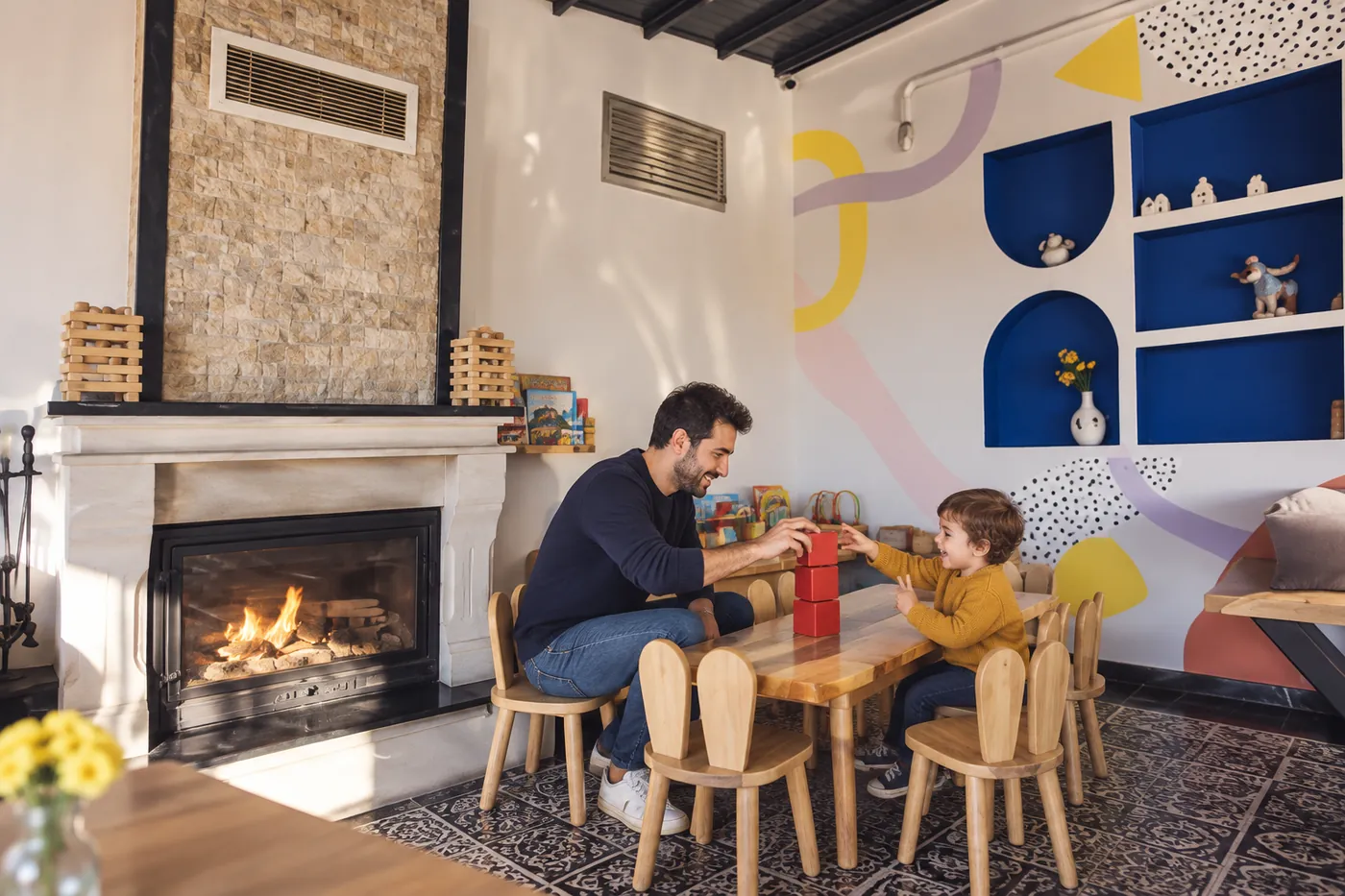
A baby who drops a cup and watches it fall is investigating the world. A toddler who tries to fit a large lid onto a small container is exploring a problem. These ordinary moments are useful starting points for early maths, even though they look nothing like a school lesson. Your role is to join the discovery, offer words and allow another attempt. You do not need to identify a gifted baby or buy a programme promising exceptional results.
What does maths mean before school?
Early mathematical thinking includes noticing quantities, positions, size, order and repetition. The NAEYC guide to maths conversations explains how everyday language can make these ideas visible. Recognising a printed numeral is only one small part of later learning. A child may chant numbers while still exploring what those words mean when matched to objects.
Think of your baby as a partner rather than an audience. If they study a rolling ball, describe its movement and wait. If they turn away, follow that signal. Quiet observation may be participation; enthusiasm does not have to look like smiling, pointing or giving the answer an adult expects.
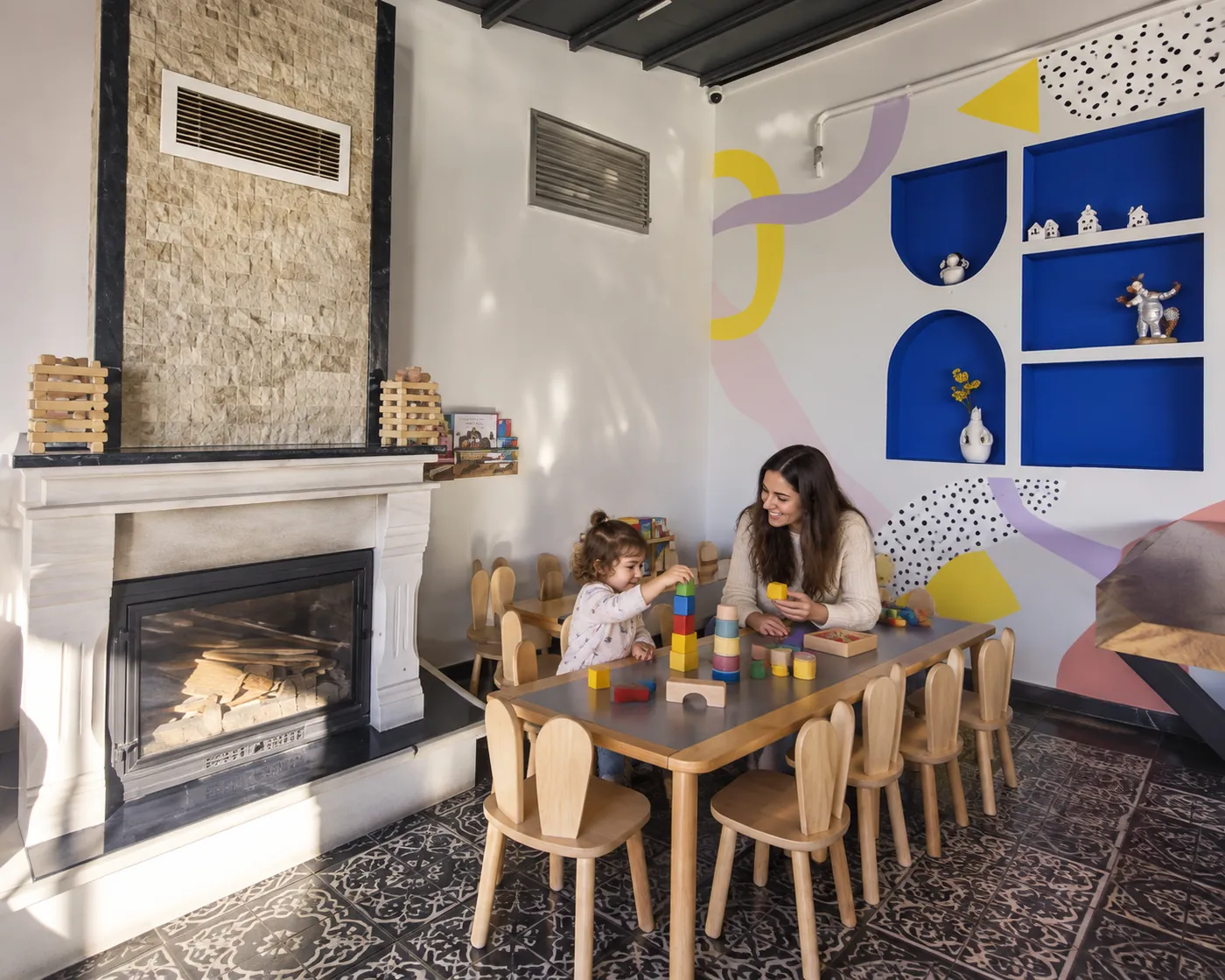
Four small invitations to explore
Build a tower with a reason
Offer a few large, age-appropriate blocks. Put a toy beside a low tower and wonder aloud whether it can see over the top. Your toddler might add a block, move the toy or knock everything down. Describe the attempt without turning the game into a test. “That one made it higher” gives useful information; “You are a maths genius” assigns a label the game cannot establish.
Give objects a destination
During tidy-up, invite your child to choose where soft balls or large blocks belong. A toddler might group by colour today and size tomorrow. Ask what they noticed instead of correcting an unexpected system immediately. Avoid coins, loose beads, magnets and other small objects that could be swallowed, even if an online activity uses them attractively.
Match the real task
When setting the table, an older toddler can help give each person one unbreakable cup while an adult handles hot food and cutlery. When dressing, describe which sock still needs a foot. These jobs have a clear purpose, so the child can see what is missing without being quizzed. Adapt materials and movement to your child’s abilities.
Notice a repeated action
Try a short clap-and-pause game. Let your child decide whether to repeat it or invent something else. A predictable bedtime sequence also offers a way to talk about order. Use familiar words in whichever home language you speak most comfortably; your conversation matters more than an English maths vocabulary list.
Keep the invitation easy to leave
A practical routine for busy Istanbul days
Choose one ordinary moment rather than scheduling several lessons. Waiting for a coat, packing a bag or looking at the shapes on a picture-book page can be enough. After a tiring journey across the city, the most helpful activity may be a snack and rest. Learning opportunities should fit family life instead of becoming another obligation.
When the game becomes a struggle
Reduce the number of objects, demonstrate once and give the child time. If your toddler wants to use the blocks as pretend food, join that idea. You can still describe a full plate or an empty bowl. Stop when frustration rises; persisting through distress is not a requirement for mathematical progress.

Did you know?
Knowing the number sequence and understanding quantity are different achievements. A child reciting to ten is not necessarily ready for addition, while a child using very few number words may already notice that something is missing. This is why a single impressive video cannot measure a baby’s mathematical ability. NAEYC’s play resources place exploration within broader early learning, rather than treating play as a reward after formal work.
Taking the idea to a family cafe
At Filifu Cafe, a family can bring a suitable picture book and talk about what is above, beside or inside the pictures while waiting together. Use personal play materials with permission and keep food, walkways and other families’ space clear. This is an idea for parent-led conversation, not a claim that Filifu offers a maths course. Explore the cafe seating area before visiting and find related family reading in the Filifu blog.

Frequently asked questions
When can I start maths play?
You can describe everyday experiences from infancy, without expecting an answer. As your child begins handling objects, follow their interests with safe comparisons, building and matching. There is no need to wait for counting.
How long should an activity last?
Follow attention and comfort rather than a timer. One enjoyable exchange can be enough. Offer another opportunity later instead of asking a tired child to finish a planned session.
Do I need flashcards or worksheets?
No. Ordinary play materials and conversation provide many starting points. If a toddler enjoys a picture card, use it as a shared object of interest rather than drilling for correct answers.
My baby only throws the blocks. Is that failure?
No. You can describe what happened and offer a safe space for suitable throwing play. If blocks could hurt someone, calmly change the materials or activity rather than demanding a tower.
Should we practise in Turkish or English?
Use the language in which you can interact naturally and warmly. Multilingual families can connect familiar concepts across languages without requiring the child to translate on demand.
Can these games predict school performance?
An individual game cannot predict grades or diagnose talent. Notice your child’s enjoyment and changing approaches. Discuss broader developmental concerns with a qualified professional instead of interpreting one activity as a test.
Bir yanıt yazın